

A map app in Korea does more than show the route
When travelers choose a map app for Korea, they usually start with directions. But in practice, the bigger question is not only how to get somewhere. It is also how to decide where to go, whether a place still makes sense for today, and how to move without the day starting to fall apart.
That is why Naver Map and KakaoMap feel different even though both are strong local apps. The gap is not only about route quality. It is about which part of the trip each app handles better.
Naver Map works better when the day is still open
Naver Map starts to feel more useful when the schedule is not fully settled yet. If you are still deciding where to eat, which cafe to add, or whether a place is worth fitting into the day, Naver Map often feels more practical. In some cases, it does not stop at search. It can keep going into reservation, which makes it easier to turn a place from an option into something you can actually use.
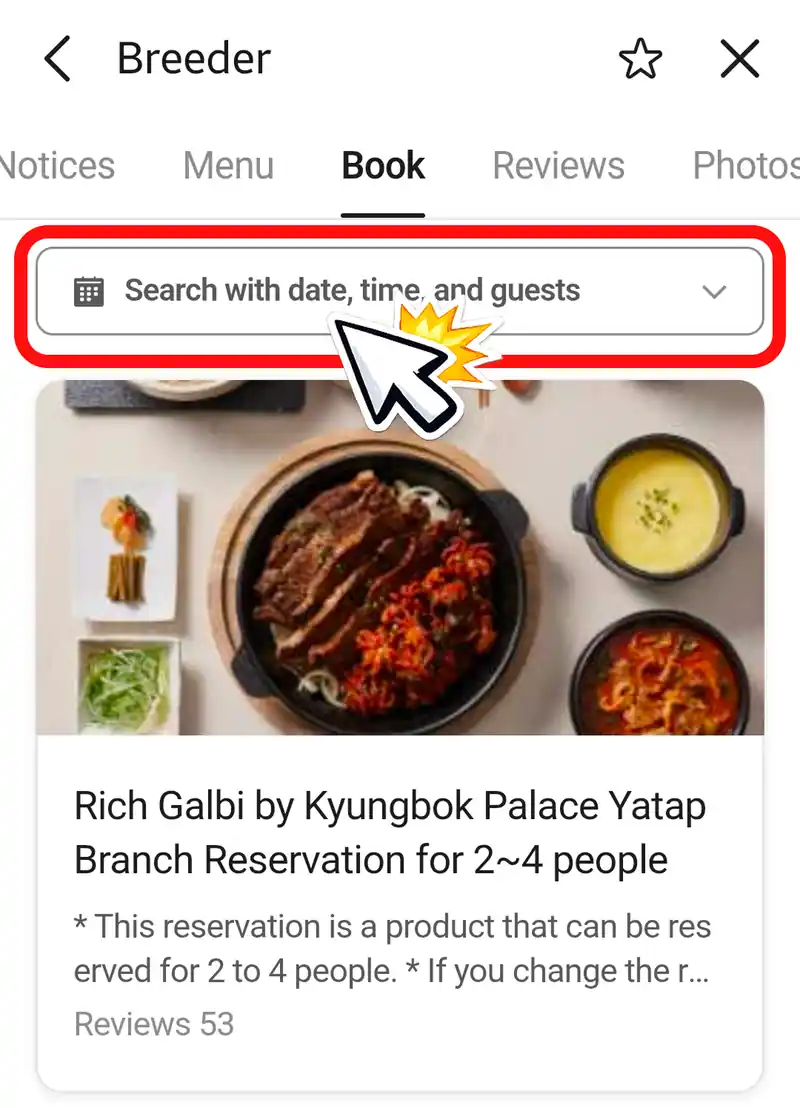
That matters more on a short trip. One uncertain restaurant can shift the next stop. One activity that is not really locked in can leave the whole afternoon feeling soft. Naver Map feels stronger in that kind of travel because it helps tighten the day while you are still choosing.
KakaoMap works better when the place is already decided
KakaoMap feels different. It becomes more useful when the destination is already fixed and the trip is no longer about comparing places for too long. A restaurant is already booked. A meeting point is already set. The plan is already decided. At that point, the problem is not discovery. It is movement.

KakaoMap is not stronger just because it shows public transport well. Naver Map can do that too. The bigger difference is that KakaoMap fits more naturally into the same flow as Kakao T, which is a taxi-calling app. You can check the public transport route first and move into Kakao T if the day starts tightening. That makes KakaoMap feel stronger on trips where execution matters more than choice.
Naver is stronger for reservation, Kakao is stronger for Kakao T connection
Naver Map feels stronger when you need to turn a place into a real part of the day. Its advantage is not only that you can find places. It is that some of those places can move from search into reservation, which reduces uncertainty while the plan is still taking shape.
KakaoMap feels stronger once the plan is already built. Its advantage appears when the next problem is movement, not selection. Because it connects more naturally into Kakao T, it becomes easier to keep the trip moving without breaking the flow. That is why the two apps can feel useful for very different reasons even inside the same city.
English alone does not settle the question
English support matters to foreign visitors, but it does not fully settle this comparison. Neither app feels perfectly built around English-first users. In practice, most travelers end up choosing based less on language comfort alone and more on which app solves the problem they have at that moment.

If the day still needs decisions, Naver Map often feels more helpful. If the destination is already settled and the clock matters more, KakaoMap often feels more useful.
Who each app fits best
Naver Map
- Travelers who are still choosing restaurants, cafes, or activities
- Travelers who want to build a more stable day through reservation-friendly options
- Travelers in the early part of a free trip, when the schedule is still open
KakaoMap
- Travelers whose destinations are already fixed
- Travelers moving around appointments, bookings, or meeting times
- Travelers who want to keep movement smoother by connecting naturally into Kakao T