
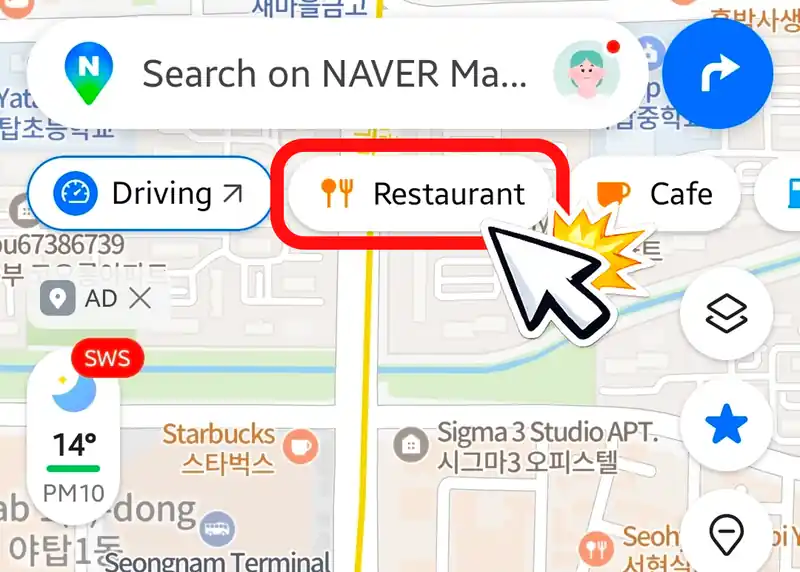
Directions alone do not explain why Naver Map matters
If all you want to say is that Naver Map works better than Google Maps for getting around Korea, the article quickly becomes ordinary. That point is already familiar to many travelers. In practice, Naver Map often feels much more usable once you start dealing with Korean streets, subway exits, bus transfers, and local place names. But that is only the starting point.
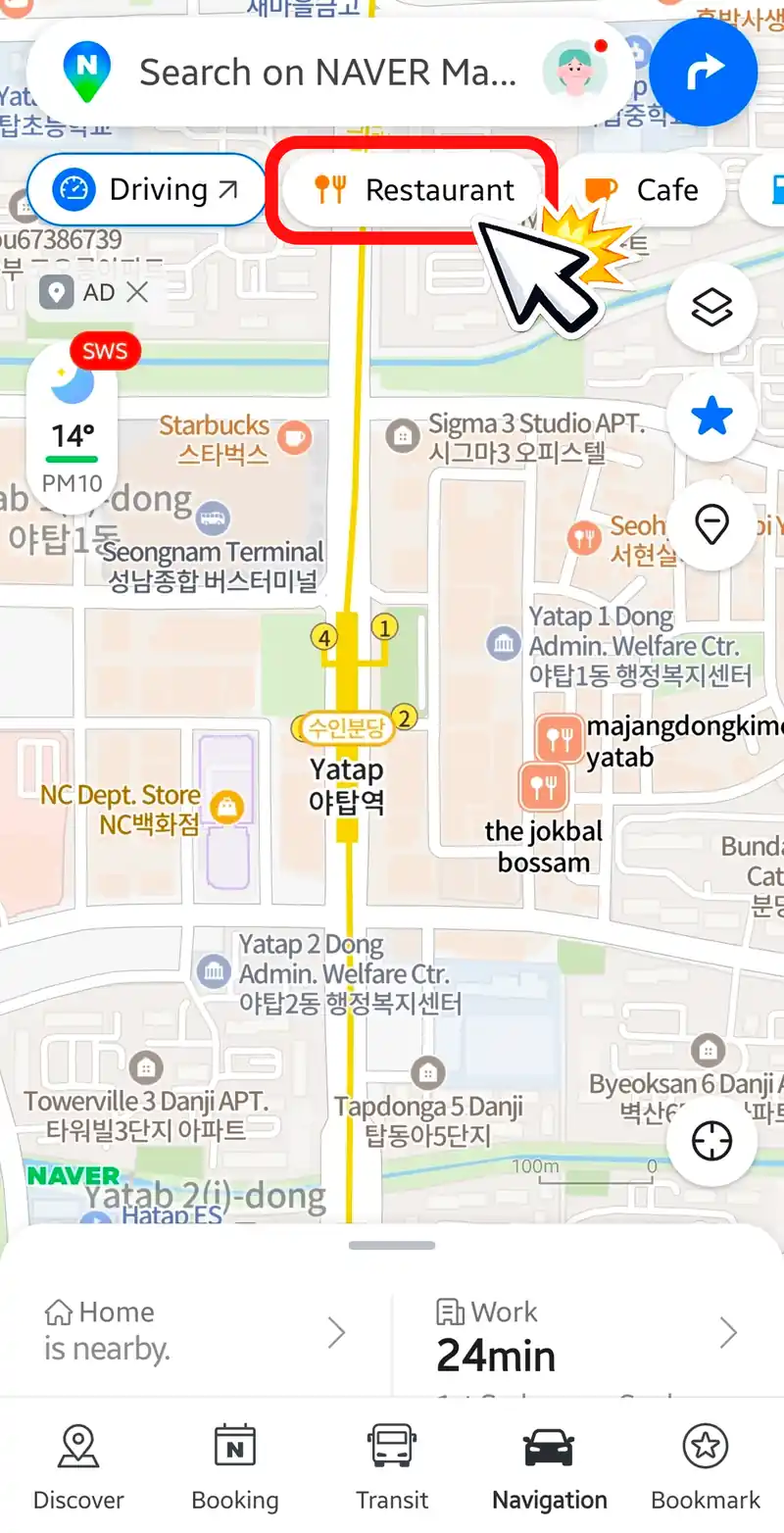
The more useful comparison is with KakaoMap. Basic map functions do not create a dramatic gap. Both apps are strong enough for route search, transit, and place discovery inside Korea. That means the real case for Naver Map has to come from somewhere else. Its advantage is not simply that it helps you find a place. It is that, in some situations, it helps turn that place into something you can actually lock into your day.
Travel fatigue often comes from uncertainty, not from getting lost
Visitors do not only get tired when they miss a turn. They get tired when too much of the day stays unsettled. A restaurant looks good, but you do not know whether you can actually get in. An activity sounds worth trying, but availability is still unclear. A place may be easy to find on the map, yet still force you into another round of decisions after you arrive. On a short trip, that kind of friction builds much faster than people expect.
This is where Naver Map starts to feel different. In the right situation, it does more than show where something is. It helps move a place out of the maybe category and into the actual plan for the day. For travelers, that difference matters more than a cleaner interface or a better-looking listing. A good option is useful. A confirmed option changes the mood of the day.
Once reservations enter the picture, the map starts doing more than navigation
Most map apps are built to help you explore. Naver Map becomes more valuable when it helps you commit. Once reservation is attached to a place, that listing stops being just another possibility saved in your head. It gains time, structure, and a real place inside your itinerary. You are no longer moving toward something that looks promising. You are moving toward something that already belongs to the day.
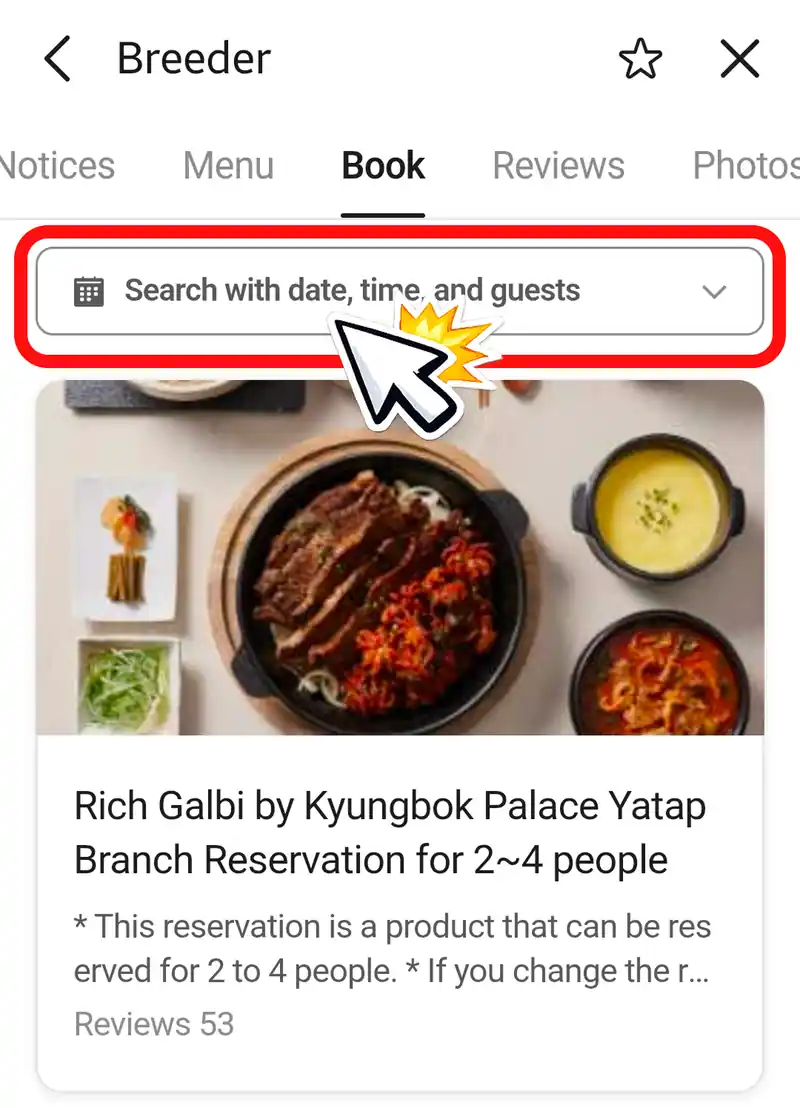
This matters in Korea because schedules become tighter than many visitors expect. A palace visit runs longer than planned. Lunch crowds become heavier than expected. A cafe stop stretches out. A single uncertain meal or booking can push stress into the rest of the afternoon. Naver Map feels strong in those moments because it does not only help you discover places. It can help cut off a chain of indecision before it starts.
Payment can remove another layer of doubt
Reservation already removes one kind of uncertainty. Payment can remove another. Once money is attached to the plan, some of the remaining guesswork disappears with it. You are not just hoping the slot still exists or that the process will stay simple once you arrive. The outing starts to feel settled before you even leave.
This is especially useful for timed reservations, ticketed experiences, or places where availability matters. Travelers usually do not have the luxury of trying again tomorrow. If part of the day falls apart, the loss is bigger than it would be for a local. That is why Naver Map is worth treating as more than a directions app. In the right situation, it helps reduce wasted movement, wasted time, and the quiet stress of having to renegotiate plans while already outside.
English gets thinner once you move past the surface layer
That convenience is not equally open to every traveler. For English-speaking visitors, one of the clearest weak points appears after the first layer of map use. Finding the place may be manageable. Understanding the place can be harder. Once you move into detailed descriptions and review nuance, the amount of useful information can start to feel thinner than it should.

That matters because tourists are not entering with local context already in place. They do not automatically know which short review sounds reassuring, which vague phrase should be read as a warning, or which style of description suggests that a place may work better for locals than for visitors. You may be able to find the listing, but still not feel fully confident about the decision. At that point, the smooth flow that made Naver Map useful starts to break.
NPay and card setup create a real barrier
The payment side has another limit. The fact that payment can be useful does not mean it feels easy. For some travelers, using that part of the flow means installing NPay separately, setting it up, and registering a card before it becomes practical. That is not a minor detail. When you are already juggling transport apps, bookings, translations, and local services, one more payment system can feel like one more task instead of one more convenience.
Travelers care less about whether a feature exists and more about whether they can finish the task right now without friction. A tool can be technically available and still feel heavy in real life. That is the difference here. Naver Map can feel impressively useful when the payment flow works cleanly, but it asks for more setup than many travelers expect.
Not every business is equally ready for foreign users
Another complication sits outside the app itself. Even when a place appears on Naver Map, the level of reservation and payment readiness is not uniform. Some businesses feel smooth from start to finish. Others stop short. Some clearly work well for foreign users. Others still feel built around domestic habits and local assumptions.
That difference matters because convenience is not experienced in the abstract. It is experienced one business at a time. The result is that Naver Map can feel extremely helpful in one part of the city and much less complete in another. That does not erase its value, but it changes how honestly it should be recommended. The better promise is not that everything works the same way everywhere. The better promise is that, when the pieces line up, the app can make part of your day feel far more settled.
Naver Map at a glance
Pros
- It can turn a place from a loose option into a confirmed part of your schedule.
- In some cases, reservation and payment reduce waiting, uncertainty, and last-minute decision fatigue.
- For directions inside Korea, the day-to-day travel experience often feels stronger than with Google Maps.
- Once you get past the early setup and payment friction, it can make the rest of the trip feel much more stable.
Cons
- Detailed descriptions and review nuance can feel thin in English once you move past the basic listing.
- Using payment may require a separate NPay setup and card registration, which adds friction.
- Not every business is equally prepared for foreign users, so the experience is inconsistent.
Why it is still worth recommending
Even with those limits, Naver Map remains easy to recommend for Korea travel. The strongest reason has little to do with novelty and everything to do with rhythm. A day in Korea often becomes tiring not because there is too little information, but because too many small decisions stay open until the last minute. Naver Map is useful because it helps close some of those decisions earlier.
It is not the perfect foreigner-first app. English support can thin out. Payment setup can feel heavier than it should. Business readiness is uneven. Even so, it remains valuable because it helps with something travelers constantly struggle with: keeping the day from becoming softer, slower, and more uncertain than planned. That is why it still earns a place on the short list.
Using Naver Map well means knowing where to trust it
The best way to use Naver Map is not to assume it will carry every part of the trip equally well. Its value becomes clearer when you treat it as a tool for stabilizing the parts of the day that are most likely to wobble. It is especially strong when a place needs to move beyond discovery and into commitment. It is less comfortable when English detail or payment access becomes the deciding factor.
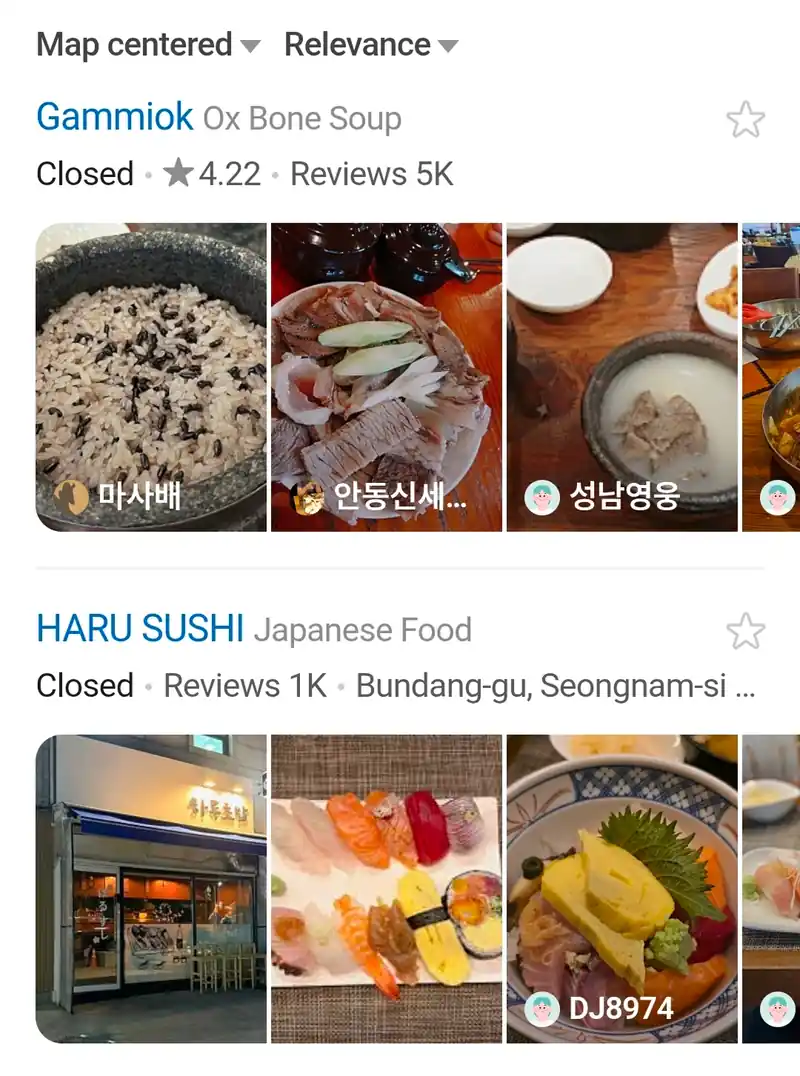
That balance is what makes the app genuinely useful rather than merely impressive. It does not need to win every category to matter. It only needs to solve the kind of problems that quietly wear travelers down. In Korea, that often means fewer moments spent rechecking, fewer plans left half-open, and fewer stops that looked good on the map but never really became part of the trip.