
How you start matters more than what looks most famous
Wanting to try Korean food as soon as you arrive is natural. The harder part comes right after that. The menu names are unfamiliar, the choices feel endless, and the most famous dish is not always the easiest first one. A food that feels ordinary to a Korean can still feel like a lot to someone who just landed.
That is why the first Korean meal is less about chasing the most iconic dish and more about finding the easiest way in. If the first meal feels too strong, too complicated, or too demanding, Korean food as a whole can start to feel harder than it really is. A better first choice usually opens the door to everything that comes after.
Gimbap is the lightest place to begin
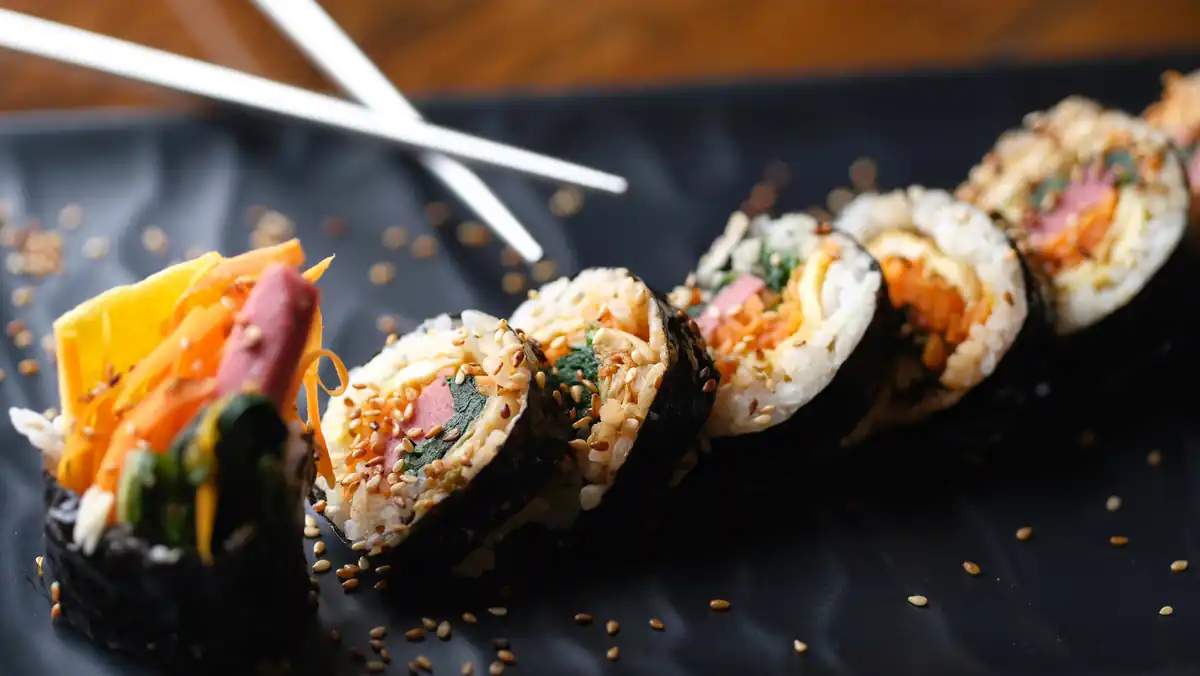
Gimbap usually starts from around 4,000 won(3 dollars). For many travelers, there is no easier first step. It is simple, portable, easy to read at a glance, and does not require much explanation. You can see the rice, vegetables, and fillings right away, which makes it less intimidating than many other Korean dishes.
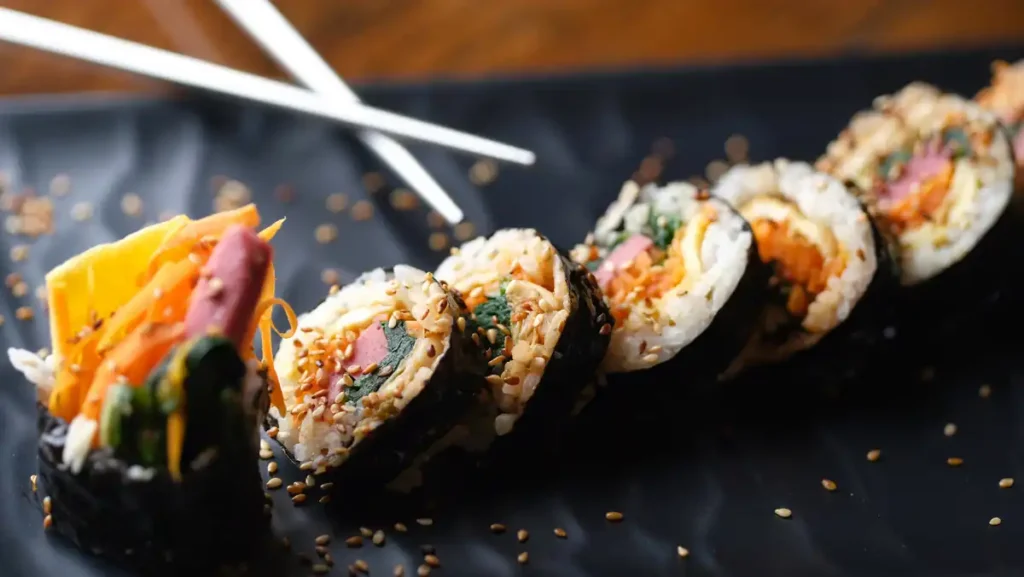
It also comes with a lot of variation. There is the basic version, but also tuna, cheese, vegetable, and bulgogi styles, among many others. That variety gives you room to choose without turning the meal into a big decision. Gimbap may not be the grandest symbol of Korean food, but it is one of the smoothest ways to begin.
Stew set meals show the basic shape of a Korean table
Stew set meals usually start from around 8,000 won(6 dollars). This is where you begin to see the structure of a Korean meal more clearly. Rice sits beside the stew, and side dishes come with it. That combination shows something central to Korean eating. A meal is often built around a main bowl, rice, and supporting dishes rather than one single plate doing all the work.
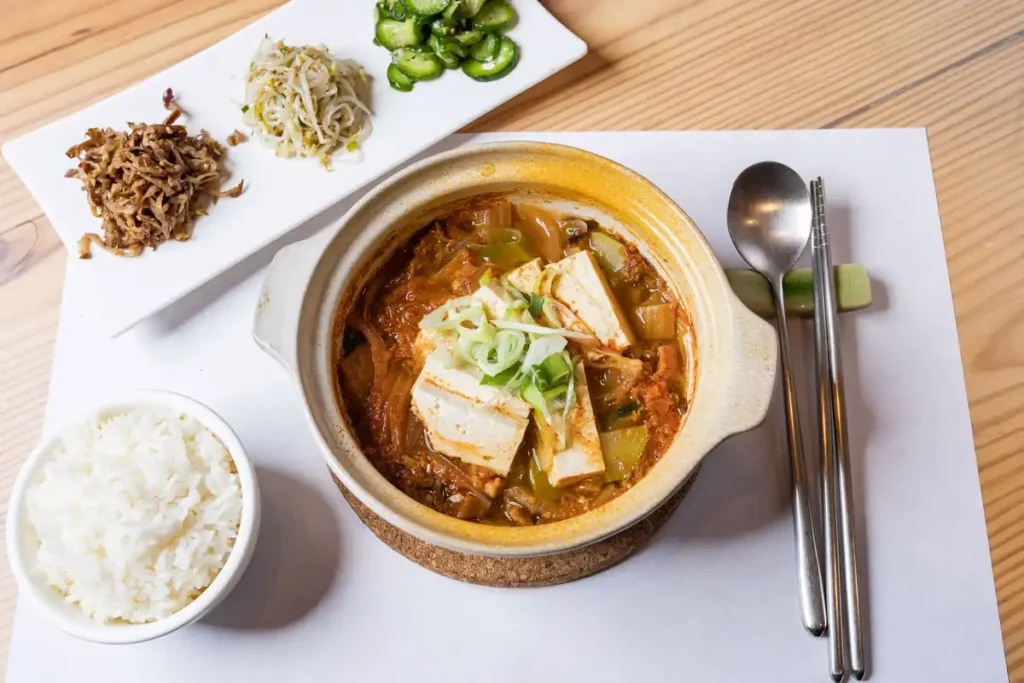
This is why stews are such a useful first step. You are not only eating one dish. You are seeing how a Korean table is arranged. For a first meal, softer stews are usually easier. Doenjang-jjigae, for example, is often simpler to read than something sharper and stronger like kimchi-jjigae.
Korean buffet restaurants can show everyday home-style eating very quickly
Korean buffet restaurants usually start from around 10,000 won(7 to 8 dollars). They are a surprisingly good choice for a traveler who wants to understand everyday Korean food rather than chase one famous dish. You see many side dishes at once, a soup or stew, rice, and a rhythm that feels closer to daily eating than to a showcase meal.
This is part of what makes them useful. You do not have to commit to one flavor or one style right away. You can see how different dishes sit together and what a more ordinary Korean meal can look like. It may feel slightly awkward at first to decide what to take and how much, but it is still much easier than a meal that asks you to cook at the table yourself.
Tang shows a side of Korean food that is not built on heat
Tang dishes usually start from around 12,000 won(9 dollars). Seolleongtang, gomtang, or galbitang can be very good first meals. They are steady, clear in structure, and usually not aggressive in flavor. You get broth, rice, and a meal that makes sense quickly.
This matters because Korean food is often introduced abroad through spice and strong seasoning. Tang shows a different side. It reminds you that Korean food does not only move in loud or fiery directions. It can also be calm, restorative, and easy to settle into. For a traveler who wants to start without a shock, that makes tang a strong option.
Chicken is one of the easiest Korean crowd-pleasers to enjoy
Korean fried chicken usually starts from around 18,000 won(13 to 14 dollars). It is not the lightest entry point, but it is one of the easiest ways to enjoy a clearly Korean style of popular food without much confusion. Most travelers already understand what chicken is supposed to be. What changes in Korea is the range of sauces, textures, powders, and the way the category has grown into something bigger than a simple fried dish.
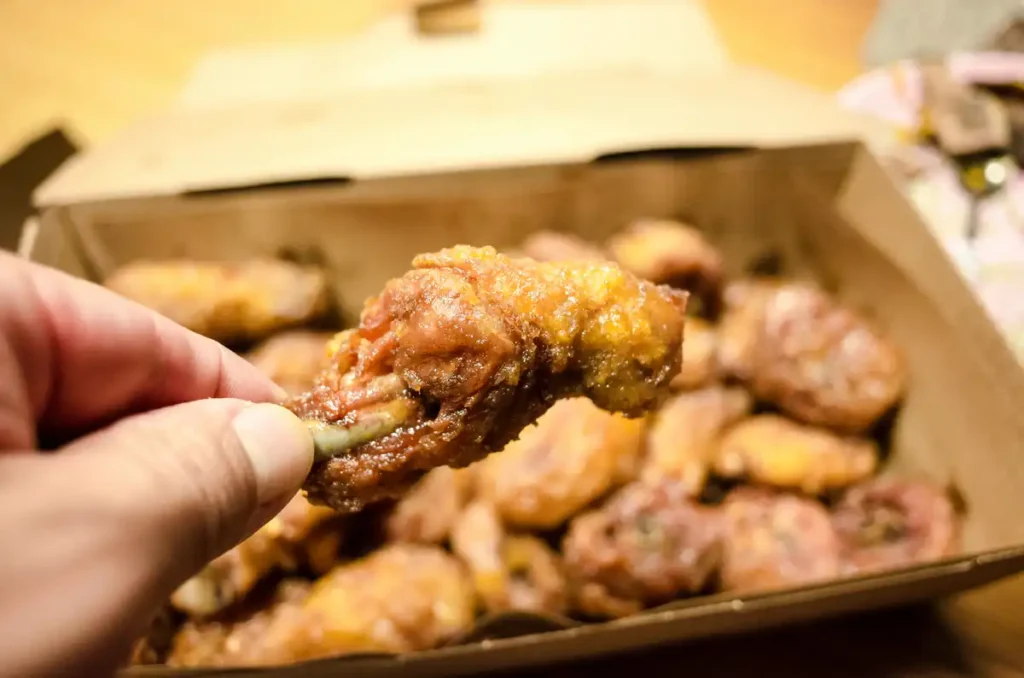
That makes chicken approachable, but it is still a bigger choice than gimbap or a stew set. The portion can be a lot for one person, and the experience often comes with either dining in or delivery culture. For that reason, chicken often feels less like a gentle first step and more like a confident second or third one.
Big table meals can be great, but they ask more from you at the start
Meals like hanjeongsik or samgyeopsal can be excellent Korean food experiences. They show the table at full scale, with many side dishes, a longer flow, and a more layered sense of how Korean eating works. They are worth trying.
But as a first Korean meal, they can demand a lot at once. The issue is not quality. It is how much information arrives together. There are more dishes, more decisions, and more rhythm to read. That can feel exciting once you have settled in, but it can also feel heavier than necessary at the very beginning.
Meals that require you to cook for yourself at the table can be especially tiring the first time. Samgyeopsal needs grilling. Jeongol and similar dishes keep cooking in front of you while you eat. None of that is bad. It just means the pace of the meal itself can feel unfamiliar before the food even does.
The best first meal depends on what kind of traveler you are that day
The right first Korean meal depends partly on your condition. If you want something fast and easy, gimbap makes sense. If you want to understand the basic structure of a Korean table, a stew set meal is better. If you want to see a broad slice of home-style food at once, a Korean buffet can do that quickly. If you want something calm and steady, tang is hard to beat. If you want a more obvious popular hit, chicken is there when you are ready for a bigger move.
That is why the first Korean meal is not really a test of how adventurous you are. It is more about choosing a doorway that fits your energy, your budget, and the kind of beginning you need. Once that first choice feels manageable, the rest of Korean food usually opens up much more easily.