
Korean meals begin from a different idea
In many Western meals, one delicious dish becomes the center of the table. If you go out for steak, the steak explains the meal. If you order pasta, that one plate often carries most of the meaning. Korea feels different. No matter how good a dish is, once it sits beside rice, it becomes part of a larger meal rather than the whole story by itself. In very simple terms, even a great dish often ends up becoming something that goes with rice.
That difference matters because it changes how Korean food should be understood. If you only look for one signature dish, you can miss the structure that makes the meal feel Korean in the first place. The relationship between rice, soup, side dishes, and the main dish matters as much as the famous item itself.
There are different words for Korean meals, and they do not mean the same thing
In Korea, words like baekban, jeongsik, and hansik can look similar from the outside, but they do not carry the same feeling. The point here is not the origin of the words. For foreign visitors, what matters more is how these meals are actually understood in Korea today. Very simply, baekban is the most everyday kind of meal, with rice, soup, and a few side dishes. Jeongsik builds on that and gives the meal a clearer center through one named main dish. Hansik goes one step further. It is not just a meal with more dishes. It is a meal built to let you experience a wider range of flavors on one table.
Once that difference becomes clear, hansik stops looking like just another Korean set meal. It starts to feel less like a menu category and more like a way of understanding Korean food itself.
If you want to see everyday Korean food, baekban comes first
These meal types usually separate by price as well. At the lower end, you usually find baekban. In Korea, baekban is one of the closest versions of an everyday meal, and it is often introduced with phrases that suggest home-style cooking. If you want to experience the feeling of an ordinary Korean meal, baekban is a very good place to start. It gives you rice, soup, and the side dishes prepared for that day without trying to make the meal look special.
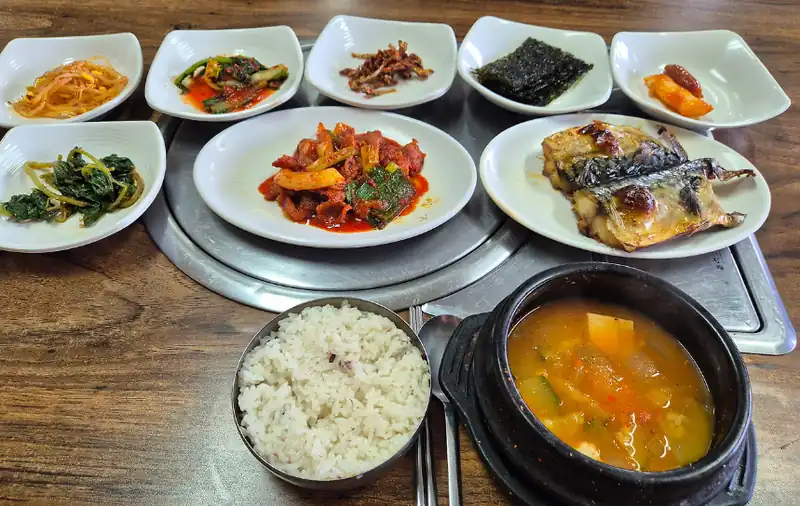
That also means baekban is less about choice and more about acceptance. Instead of building your meal item by item, you usually receive what has been prepared. For a foreign traveler, that can feel unfamiliar. But that is also what makes baekban feel more Korean. The meal follows the rhythm of everyday eating rather than personal choice.
Baekban shows the most basic structure of Korean food clearly. Rice holds the center, soup supports the table, and side dishes widen the meal without demanding attention for themselves. Even without luxury, the shape of Korean eating is already there.
Jeongsik makes the main dish easier to see
As the price rises a little, the word jeongsik appears more often. Jeongsik is more clearly organized than baekban. The basic frame is still familiar: rice, soup, and side dishes remain in place. But now one main dish stands out more clearly. That main dish usually gives the meal its name. Kimchi-jjigae jeongsik, bulgogi jeongsik, and grilled mackerel jeongsik all tell you what the center of the meal will be.
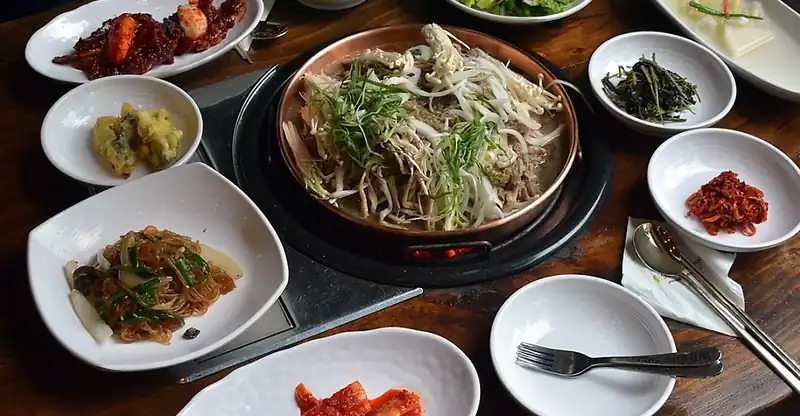
That is one reason jeongsik often feels easier for foreign visitors to understand. The structure still feels Korean, but the meal also presents a clearer focal point. Baekban feels closer to daily home-style eating. Jeongsik keeps the Korean table structure while making the meal easier to understand from the outside.
It is still not a one-plate meal in the Western sense, but it is easier to follow. Rice, soup, and side dishes remain essential, while the named main dish gives the meal a stronger outline.
Hansik shows a wider version of Korean food
Hansik moves in another direction. It is usually called simply hansik, rather than being defined by one front-facing main dish. The reason is simple. Hansik is less about eating one central dish and more about experiencing a wider range of tastes on one table.
In practice, hansik brings out more dishes, and in some places it can unfold almost like a course meal. Foods that ordinary people do not eat every day, or dishes associated with more special occasions, can appear as part of the table. That changes the mood completely. For foreign visitors, this can feel especially striking. Korean food stops looking like a meal built around one representative dish and starts to feel like a table that expresses atmosphere, rhythm, and culture all at once.
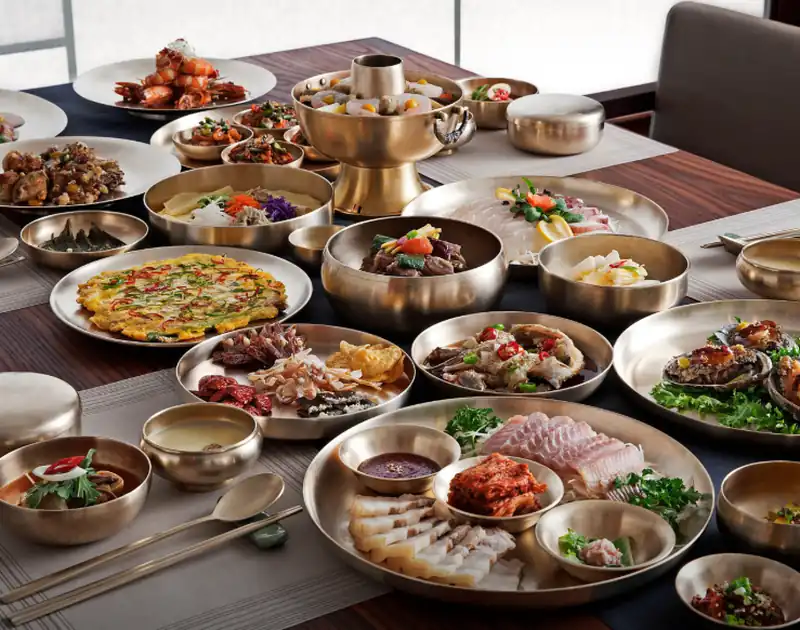
If baekban shows everyday Korea and jeongsik shows a more readable Korean meal structure, hansik shows the width of Korean eating. It is not just that more food appears. More of Korea appears through the table.
Hansik is not just a large meal. It is a meal built around range.
That is why foreigners usually notice the number of dishes first. The table looks full, the meal feels large, and the experience can seem far bigger than expected. But people in Korea do not usually think of hansik as meaningful simply because a lot of food appears. The point is not size alone. The point is range.
Hansik is built less around finishing one big thing and more around moving across many kinds of flavor in one sitting. Rice and soup hold the meal in place. Basic side dishes create a foundation. Other dishes widen the table and give the meal its rhythm. What matters most is not quantity by itself, but how much of Korean taste a single meal can let you experience at once.
That is why hansik matters. Baekban shows the daily structure of Korean food. Jeongsik makes that structure easier to read. Hansik goes further and shows how broadly Korea thinks a meal can be built.
Hansik shows how Korea thinks about food
Hansik matters not because it is traditional in a vague sense, but because it shows how Korea thinks a meal should come together. A meal does not feel complete because one main dish dominates the table. It feels complete when rice and soup sit in place, when familiar and unfamiliar tastes can coexist, and when different dishes support the meal from different angles.
There is also a sense of hospitality built into that table. Laying out many dishes, giving the meal breadth, and not reducing the experience to one main item are all part of how care is shown. That is why hansik is more than a restaurant format. It shows how food, balance, and hospitality are tied together in Korean culture.
In that sense, hansik is not simply the meal that shows the most Korean food. It is the meal that shows most clearly how Korea thinks about food in the first place.
Hansik is one of the clearest ways to read Korea
If someone wants to understand Korean food more deeply, hansik is one of the best places to start. Not because it is the easiest meal, and not because it is the most globally familiar, but because it reveals more of Korea at once. It shows how dishes are placed, how balance is built, why rice and soup are never just background, and why a meal can spread outward instead of narrowing toward one plate.
That is why hansik feels larger than a single dining experience. Baekban shows everyday Korea. Jeongsik shows a more readable Korea. Hansik shows how Korean culture completes a table. That is why hansik can tell a foreign visitor more about Korea than one famous dish ever can.