
Korea has a season when rain becomes part of the trip
Korea has a stretch of summer when rain is not a small possibility but a normal part of daily planning. In Korea, this period is often called jangma, or the rainy season. The exact timing shifts a little each year, but it usually lasts for several weeks, sometimes close to a month. If you visit during this period, it is better to treat rain as part of the trip rather than an unlucky exception.
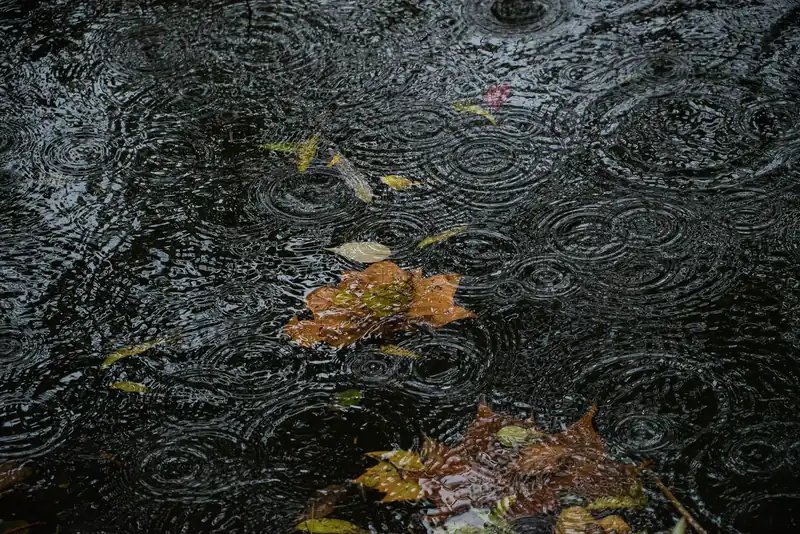
That is why many travelers rule it out first. A Korea trip built around clear skies, long walks, and outdoor scenery can feel riskier at this time. If your ideal visit depends on palace walks, skyline views, and full days outside, that reaction makes sense.
Even Koreans tend to travel less aggressively during this period
This is not only a foreign visitor problem. Many Koreans also move around less during the rainy season. Rain makes long outdoor plans harder, and the humidity often drains energy faster than people expect. A day can feel heavier even when it does not rain nonstop.
That helps give the season a clear off-peak character. It is not the time most people imagine first when they picture a fun Korea trip. Spring flowers, autumn color, and festival-heavy periods are easier to prefer. The rainy season usually loses that comparison.
That off-peak character can work in your favor
A season that many people avoid does not automatically become a bad travel season for everyone. In some cases, the opposite is true. One of the biggest advantages of Korea’s rainy season is reduced competition.
Travel fatigue often comes from people as much as weather. A city becomes tiring when restaurants are packed, cafes are loud, major districts are crowded, and every simple plan takes more effort than it should. During Korea’s rainy season, that pressure can ease a little. It does not mean Korea suddenly becomes empty, but the flow can feel more manageable than in periods when local travel demand is stronger.
It can be a better-value season for travelers who care about efficiency
Korea’s rainy season is not the most glamorous time to visit, but it can be an efficient one. Because it is not a universally desired season, some travelers may find a more manageable cost structure when looking at flights and accommodation. That does not mean everything becomes cheap, and it should not be treated like a guaranteed bargain season. Still, the overall pressure is often lower than during more popular travel periods.
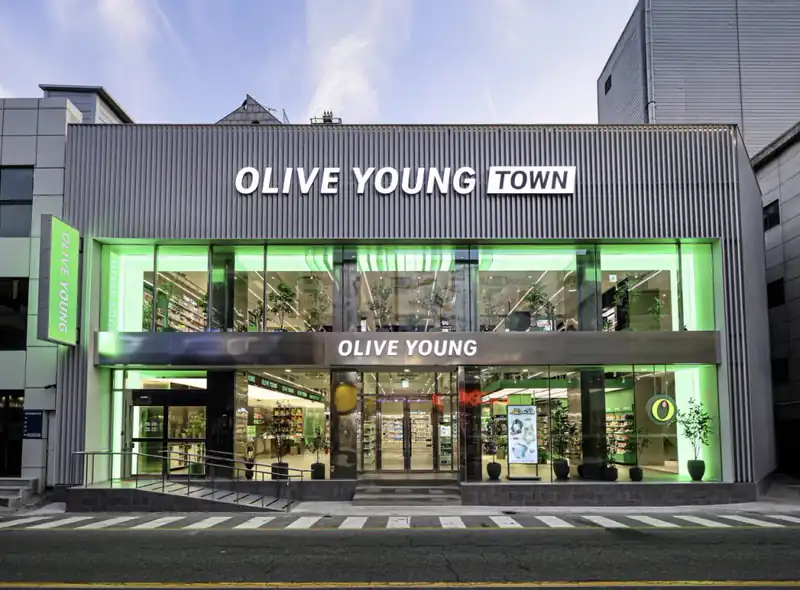
For travelers who care more about value than postcard weather, that trade can make sense. A trip can still feel successful when the pace is easier, the spending pressure is lower, and the whole experience feels less competitive from start to finish.
If beauty and cosmetic care are your main reason for visiting, this can be one of the best times to come
This is where the rainy season becomes much stronger. If your main purpose in Korea is beauty treatment, skincare, or other cosmetic appointments, the weather matters less than many people assume. These plans already happen indoors. They also naturally create rest time before or after appointments, so your day is not built around long outdoor movement anyway.
That changes the logic of the trip. For a beauty-focused traveler, clear skies are often far less important than a smooth schedule, indoor comfort, and enough time to recover without feeling that a sunny day is being wasted. In that kind of itinerary, Korea’s rainy season can be more than acceptable. It can be one of the smartest times to visit.
Indoor-heavy travel holds up especially well in Seoul
The rainy season becomes much easier when you stop trying to beat the weather and start building around it. Seoul is strong in exactly the kind of spaces that still work on wet days. Department stores, shopping complexes, cafes, exhibitions, pop-up spaces, and mixed-use indoor areas can keep a day moving without forcing you into long stretches outside.
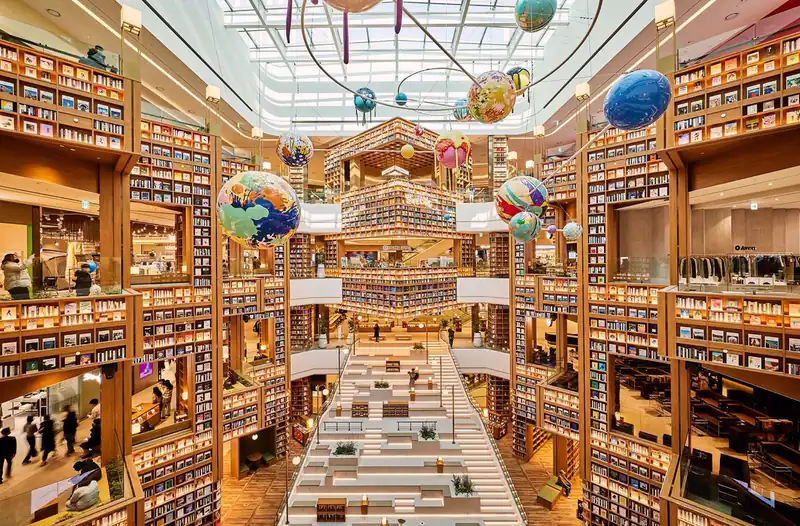
That makes a practical difference for travelers. A day does not fall apart as quickly when your plans are already concentrated in places that work in the rain. If your style is to stay in one district longer instead of crossing the city constantly, the season becomes much easier to handle.
This is not the right season for every kind of traveler
None of this means Korea’s rainy season is secretly the best season for everyone. It is not. If your trip depends on palace walks, hanok neighborhoods, long urban wandering, coastal views, night scenery, or photography under clear light, the rainy season can become frustrating. The same is true if you are traveling with family members who tire easily from weather changes and wet movement.
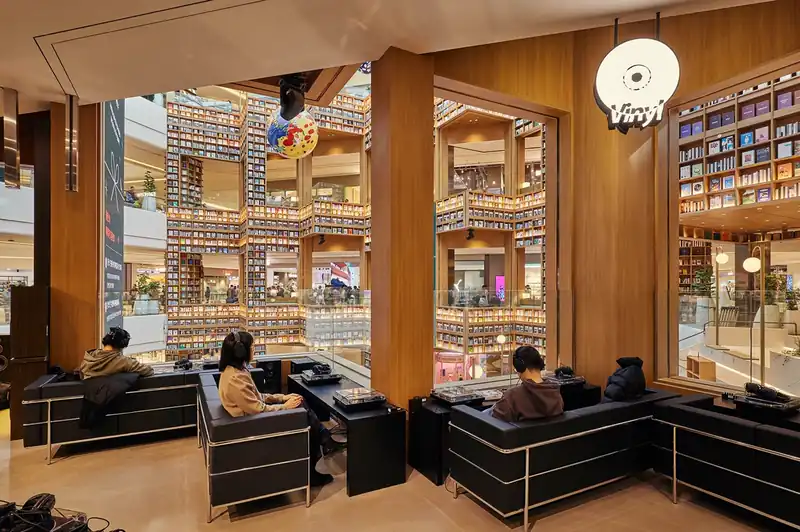
The season is not universally good. It is simply much better for some travelers than others. Many people reject it too quickly because they judge it using the wrong kind of itinerary.
Travelers who should seriously consider visiting Korea during the rainy season
- Travelers whose main goal is beauty treatments, skincare, or cosmetic care
- Travelers planning indoor-heavy days built around shopping, cafes, exhibitions, or pop-ups
- Travelers who care strongly about value and overall trip efficiency
- Travelers who want to avoid the heaviest local travel competition
- Travelers who are comfortable adjusting plans when the weather shifts
What matters most is whether the season fits your purpose
If your priority is clear weather, outdoor scenery, and long days on foot, Korea’s rainy season will probably feel like a compromise. If your priorities are indoor comfort, lower competition, beauty appointments, and a more efficient rhythm, the same season can feel surprisingly practical.
Korea’s rainy season does not deserve a blanket recommendation. It does deserve a second look from travelers whose plans already fit the season well. For the right visitor, it can be one of the most sensible times to come.