
Many readers are already past the basic kimchi stage
By now, many people interested in Korea already know that kimchi is fermented, that it is often seen as healthy, and that it is not limited to one red napa cabbage version. They have heard of kkakdugi, baekkimchi, and mulkimchi. They already understand that kimchi is not just one spicy side dish. But many foreign readers stop there. They know kimchi is varied, yet still do not realize that the kimchi they have actually eaten may represent only a narrow part of what Korean kimchi can be.
The kimchi foreigners meet most often is usually closer to Seoul-style kimchi
The kimchi most foreigners encounter first in Korea is often the more stable and standardized kind. Instead of pushing strong fermented seafood notes or carrying a heavy regional edge, it is usually balanced in a way that feels easier for first-time eaters to accept. That has obvious strengths. It is easier to approach, easier to repeat in restaurants and markets, and easier to remember without resistance.
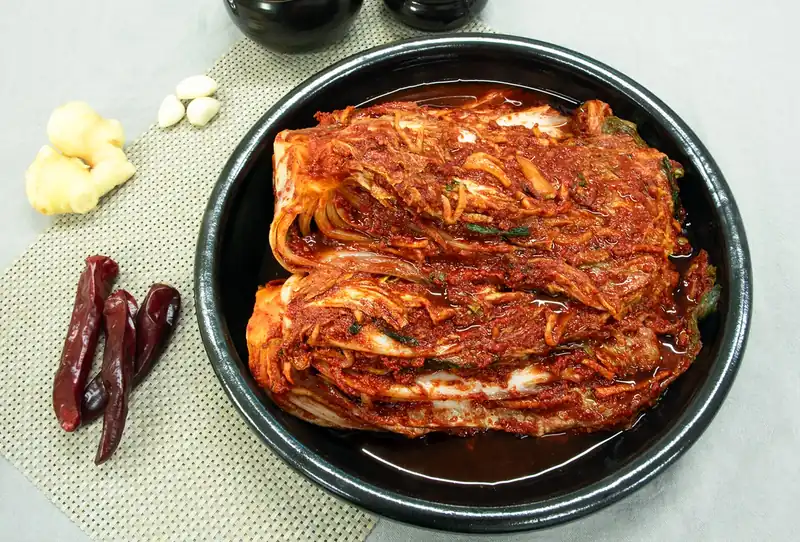
But that same stability can flatten the image of kimchi in a foreign visitor’s mind. Within Korea, kimchi can be saltier, deeper, rougher, and much more regionally marked than the version many travelers first learn through Seoul. So even when people think they already know kimchi, what they often know best is the most polished and easiest version of it.
But that is not all kimchi is
That stable and familiar flavor is not the whole story. In Korea, kimchi still carries strong regional character, and those differences often become clearer outside Seoul. Once you move away from the most accessible and widely repeated version, the flavor can become much bolder. The point is not simply that there are many kinds of kimchi. The point is that even within the world of kimchi, the direction of flavor can shift noticeably from region to region.
That is why knowing that kimchi comes in different varieties is still only the beginning. A traveler can understand that kimchi is diverse and still miss the fact that Korean kimchi does not move around a single standard taste. In many cases, the strongest and most distinctive side of kimchi starts where the familiar Seoul version stops.
The way jeotguk is used changes the feel of kimchi
One of the biggest differences comes from jeotguk, the fermented seafood element that gives kimchi depth. Traditionally, small fish that were difficult to sell directly in the market were turned into salted and fermented ingredients, and the liquid from that process became an important part of kimchi making. But in harder times, people often used more of what remained instead of separating the cleaner liquid and discarding the rest.
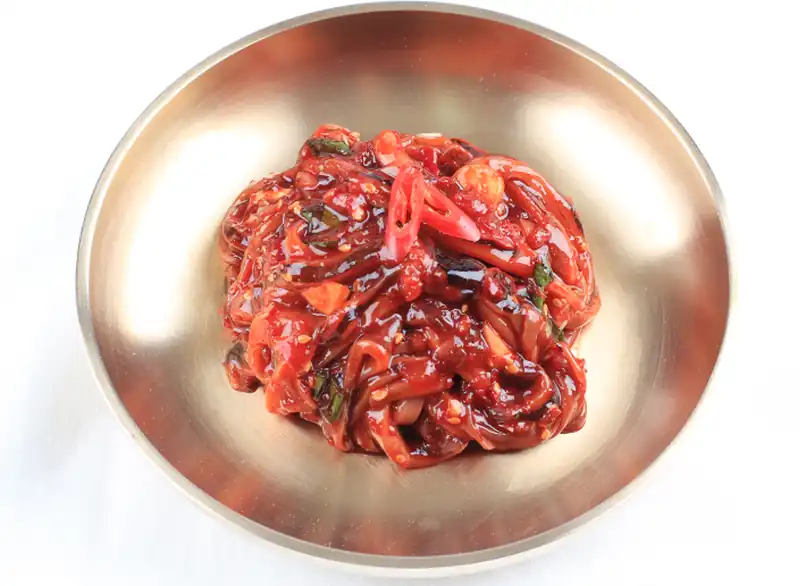
You can feel that difference more clearly in coastal regions. Compared with the lighter freshness many visitors associate with Seoul-style kimchi, these versions can open with a much thicker fermented aroma and a deeper layer of savory flavor. That does not just mean they are stronger or saltier. The fermentation feels fuller, and the aftertaste sits longer in the mouth. For a foreign visitor, it can feel like an entirely different kimchi language.
Kimchi fermented with seafood moves in another direction
Some kimchi does not stop at using jeotguk as seasoning. It also ferments with fish or seafood ingredients more directly. In those cases, the sea enters the kimchi more openly, and the flavor grows denser as fermentation continues. Seafood often becomes more flavorful through fermentation, so the result can move very far from the clean and tidy line many foreigners expect from familiar city-style kimchi.
This is why kimchi becomes hard to explain if it is reduced to something spicy, sour, and salty. It is not enough to describe it only as fermented food. The real difference often comes from how far the maker lets the ingredients speak, how much of the sea stays in the kimchi, and how deeply the fermentation is allowed to settle. Regional kimchi often differs less by category name than by how fermentation is handled underneath.
Seoul-style kimchi is easy to enter, but it does not show the full width of Korean kimchi
The kimchi most easily found in Seoul is often the version foreigners can approach with the least resistance. It feels cleaner, easier, and more flexible next to many meals. That is a real advantage for travelers. The problem is that this approachable version can stay in the mind too long as the default image of kimchi.
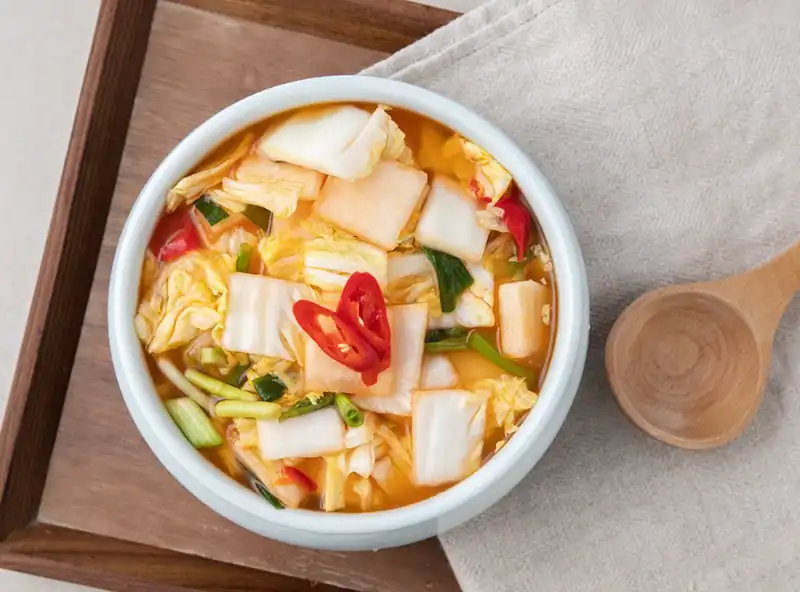
As a result, many people think they already understand kimchi when in fact they mainly remember its safest and most polished face. Beyond that lies a much deeper and rougher world of fermentation. Once that difference becomes visible, kimchi stops looking like one side dish with a few variations and starts to feel more like a regional food culture with very different habits inside it.
Well-packaged Seoul is not all of Korea
Seoul is the easiest place to begin Korea. It is the most accessible, the most organized, and often the easiest version for foreigners to understand first. But that comfortable first impression does not explain the whole country. Kimchi makes that limit easy to see. Beyond the familiar taste many visitors meet in Seoul, there are stronger regional flavors, deeper fermentation styles, and very different assumptions about what kimchi should be.
Well-packaged Seoul is not all of Korea. If you want to enjoy Korea more deeply, it is better not to stop at the most familiar and neatly arranged face of it. Once you widen your attention beyond Seoul and begin meeting the food and daily rhythms of other regions, Korea starts to feel less like one polished image and more like a living culture with real regional difference still inside it.