
Why tang can tell you something important about Korea
When people first think about Korean food, they usually picture barbecue, bibimbap, or fried chicken. Those foods are easy to notice and easy to remember. But they are not always the quickest way into the culture behind the meal. Tang often works better.
Tang shows something quieter and more basic. It shows how Korea thinks about warmth, recovery, rice with soup, and the difference between eating alone and eating together. It may not be the flashiest food on the table, but it explains a lot.
Guk belongs to daily life, but tang feels more purposeful
To many visitors, guk and tang can look nearly the same at first. Both are soup-based. Both are usually eaten with rice. Both sit near the center of a Korean meal. But inside Korea, they do not always carry the same feeling.
Guk often feels like part of the daily structure of eating. It supports the meal. It belongs to routine. Tang feels more central and more deliberate. It often arrives as the main thing, and it usually carries a clearer sense of intention. You eat tang when you want something filling, restorative, or more complete than an ordinary meal.
That is also why tang often feels tied to care. It is not just soup. It feels closer to a meal with a reason behind it.
Tang is easier for first-time visitors because spicy food is not the default
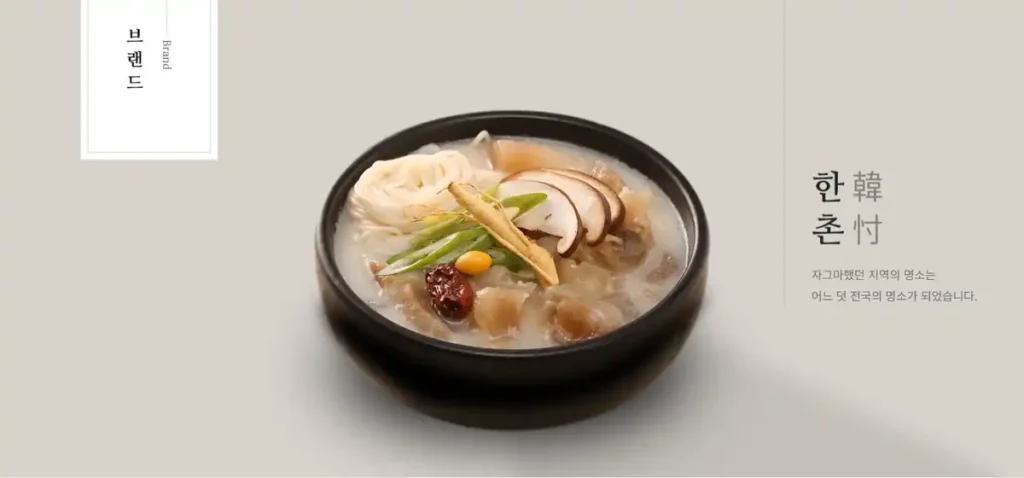
One reason tang works well for beginners is simple. Strong heat is usually not the starting point. Korean food is often introduced abroad through spicy dishes and bright red sauces, so many travelers arrive expecting everything to hit hard. Tang often pushes against that expectation.
There are spicy tang dishes, but many of the most common ones are built around broth, warmth, and depth rather than heat. That makes them easier to approach. Tang usually does not try to overwhelm you right away. It makes sense more gradually.
It also helps that you can adjust the seasoning yourself
Tang is beginner-friendly for another reason. It often leaves some room for the eater. Some foods arrive with the flavor already fixed. Tang often does not work that way. Salt, pepper, and other basic seasonings can often be adjusted at the table.
That matters for travelers. You do not always have to take the full flavor exactly as it lands. You can move toward it. Tang is easier not only because it is often gentler, but because it lets you enter the meal on your own terms.
Solo tang shows a stable and restorative side of Korean eating
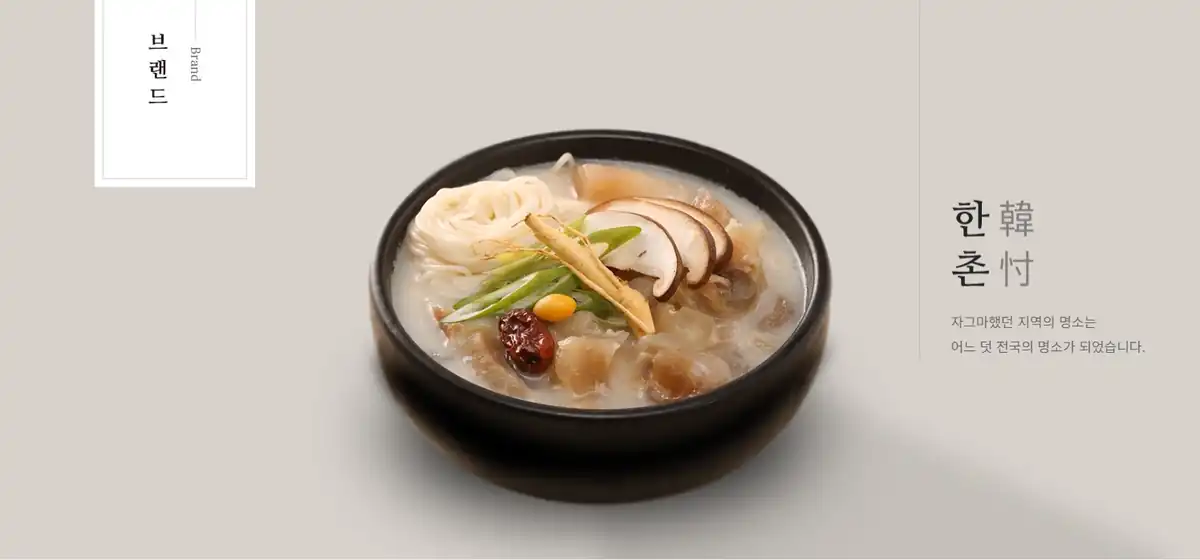
Some tang arrives as a complete meal for one person. The broth is already set, the ingredients are already gathered into one bowl, and rice and side dishes usually come with it. That structure makes solo tang easy to understand. It feels settled.
This kind of tang is not flashy, but it is solid. It often gives the sense that a meal should restore you, not just fill time. Solo tang shows a version of Korean eating that is calm, practical, and closely tied to the idea of looking after the body.
Even within tang, the mood changes depending on the ingredients
Not all tang moves in the same direction. Meat-based tang and seafood tang can feel very different, even when both belong to the same larger category.
Beef, pork, and chicken tang usually lean toward depth and steadiness. The feeling comes from broth, body, and the impression that the meal is meant to strengthen you. That is one reason these tang dishes fit so naturally with single-serving bowls. They feel ready to hold one person on their own.
Seafood tang moves differently. Seafood is less about slow weight and more about freshness meeting heat. Because of that, seafood tang fits more naturally with a pot placed in the middle of the table and shared by several people. Very broadly, meat-based tang sits closer to the Korea of solo meals, while seafood tang sits closer to the Korea of shared meals.
Shared tang shows a Korea built around relationships
The important thing about shared tang is not only that it takes longer. The real point is that people are eating from one pot together.
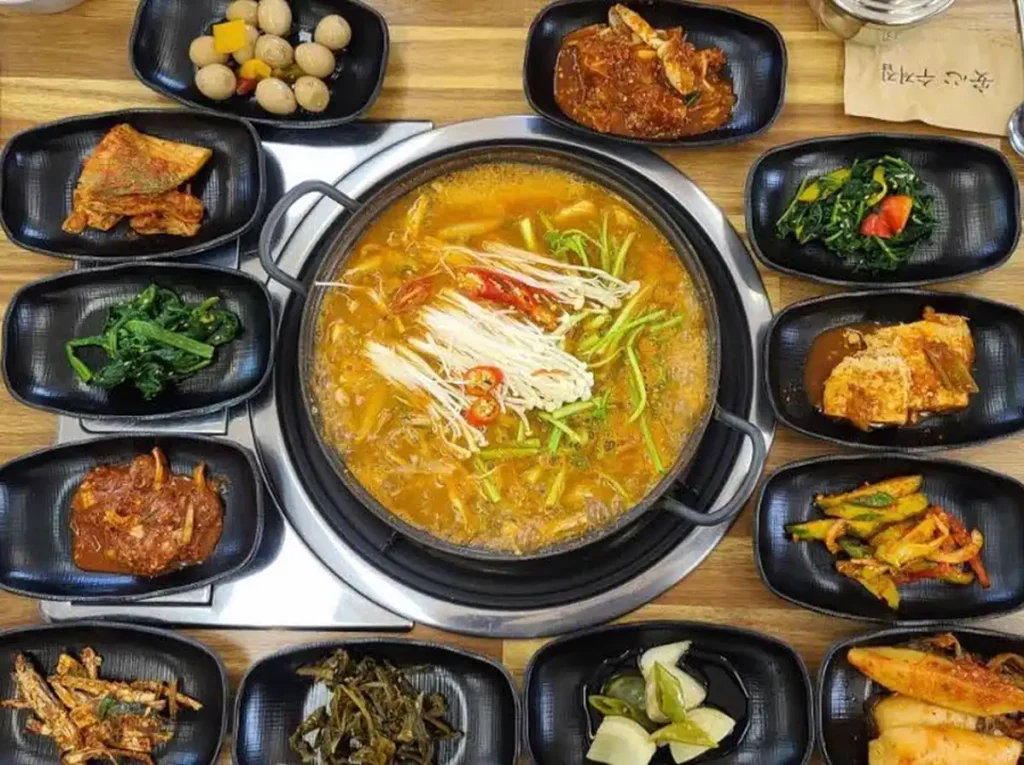
In Korea, eating is often more than a practical act. It can also be a way of maintaining closeness, checking in, and making time for a relationship. That helps explain why meal invitations in Korea can mean more than the literal meal itself. The food matters, but so does the act of sitting down together.
Shared tang captures that well. People are not receiving separate finished plates. They are looking at the same pot, waiting on the same broth, and taking from the same center. The meal feels less like parallel eating and more like an actual act of sharing.
That is also why Korean tang is not the same as shabu-shabu or hot pot
To an outsider, a pot set on the table can immediately suggest shabu-shabu or hot pot. The resemblance is real, but the feeling is different.
Shabu-shabu and hot pot usually lean much more toward individual choice. People pick what they want, add what they want, and build their own meal through the shared pot. The pot is shared, but the logic is still strongly personal.
Korean tang tends to work differently. The direction of the pot is already decided. The broth, the ingredients, and the path of the meal are already set to a large degree. People are not mainly using the pot to build separate meals. They are using it to share one meal together. Shabu-shabu and hot pot often feel like individual meals that happen to share a pot. Korean tang feels closer to one decided meal being shared by everyone at the table.
Haemultang makes that shared structure easy to see
Haemultang is one of the clearest examples of shared tang. A large pot arrives at the table, people sit around it, and the meal unfolds from that single center. It usually does not end with the first round of broth and seafood, either.
Once the main ingredients are mostly eaten, the meal often continues. Sujebi or kalguksu can go into the broth. After that, fried rice may follow. Haemultang feels larger than a simple seafood soup. It shows how one Korean meal can keep developing through one shared pot.
Samgyetang shows the other side just as clearly
If haemultang helps explain shared tang, samgyetang helps explain the solo side. A whole chicken lands in front of one person, and the meal is already complete. It feels personal, self-contained, and strongly tied to the idea of recovery.
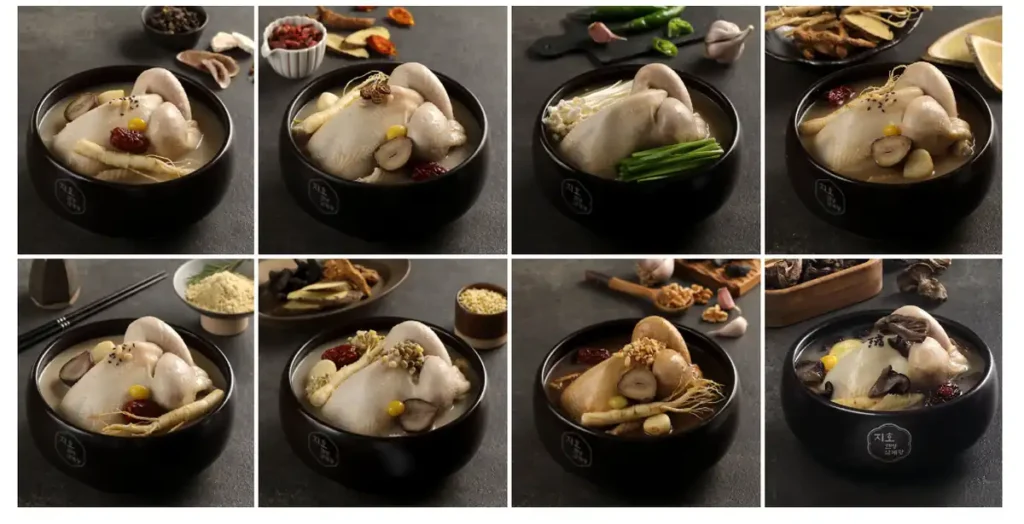
That is one reason samgyetang works so well here. The nourishing side of tang is easy to understand without much explanation. The meaning is already there in the shape of the meal.
Why tang makes Korean food culture easier to read
Tang is not the loudest representative of Korean food, but it may be one of the most revealing. It shows a food culture where spice is not always the center, where seasoning can still be adjusted by the eater, where some meals are built to care for one person, and where others are built around sharing one thing together.
Tang is more than soup. It shows both the Korea of eating alone and the Korea of eating together. That is a big reason it tells you so much about how Korean meals actually work.