
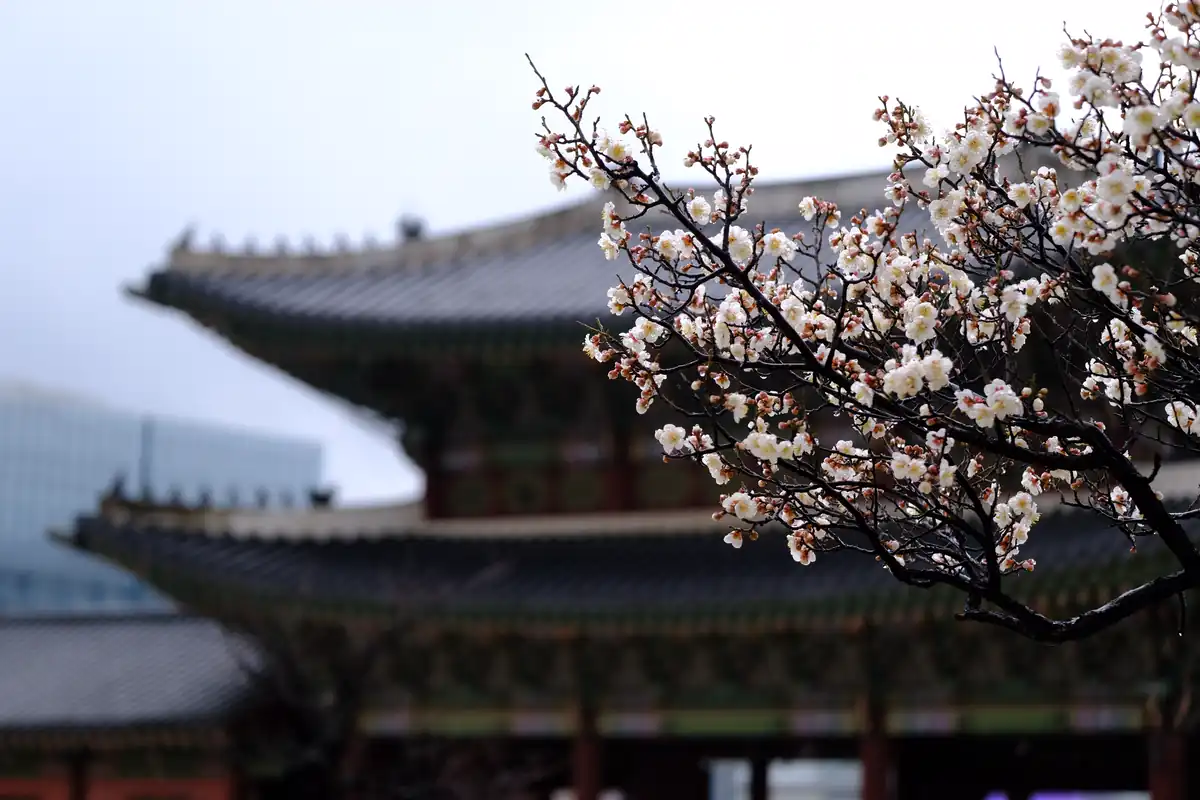
Why palaces matter more than many travelers expect
Seoul gives travelers too many options in the best and worst way. Cafes, shopping streets, pop-ups, markets, night views, and famous food stops can fill an entire trip before you even notice. That is exactly why many first-time visitors end up asking a harder question. What actually feels Korean, and which experiences fit naturally into a short itinerary without creating too much stress?
This is where palaces become more interesting than they first appear. Many travelers first think of them as old buildings, standard sightseeing stops, or places to take one good photo and move on. But what makes them work so well is surprisingly practical. They are easy to reach, relatively easy to take in, and strong enough to change the tone of a Seoul trip without demanding too much time, money, or energy.
That is why palaces feel more useful than their reputation alone suggests. They are not just famous landmarks. For many first-time visitors, they are one of the clearest ways to feel that they are really in Korea.
They fit into a Seoul itinerary with very little effort
A beautiful place is not always a good travel choice. Travelers usually need more than atmosphere or reputation. A place has to work with the rest of the day, connect naturally to nearby neighborhoods, and avoid turning a simple visit into a logistical project. This is one of the biggest reasons palaces work so well.
Seoul’s major palaces are not remote attractions that force you to spend half a day just getting there. They sit near parts of the city that many visitors already want to see, including Gwanghwamun, Bukchon, Seochon, Insadong, and central Seoul. That means a palace visit often feels less like a major detour and more like a natural part of a real route through the city.
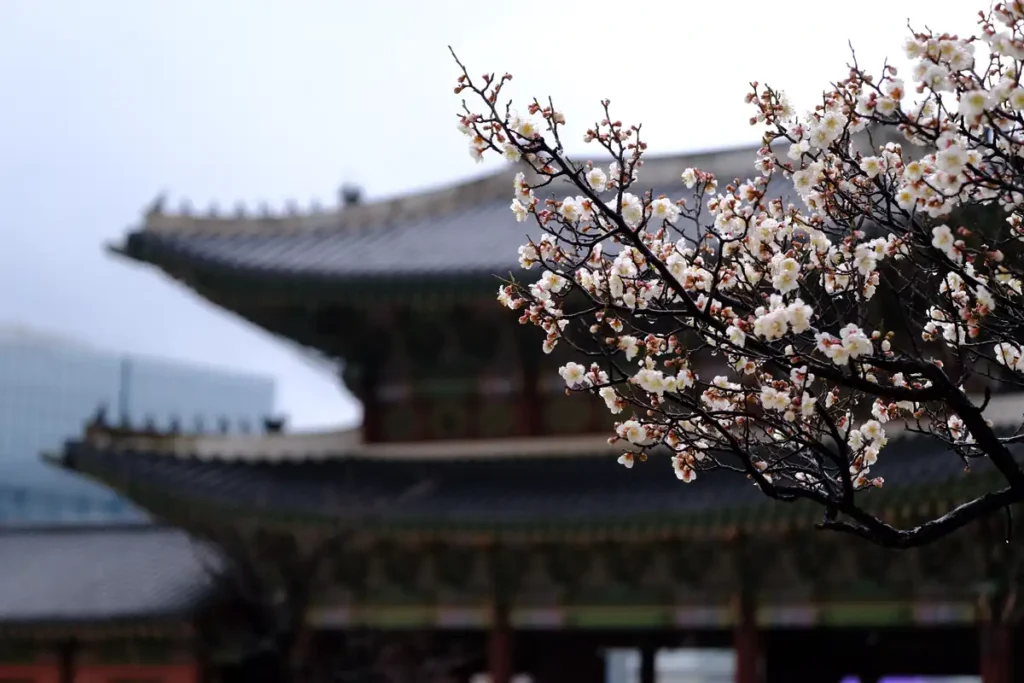
This matters more than it sounds. Plenty of places look great online but end up creating dead time, awkward transfers, or a tired second half of the day. Palaces usually do the opposite. They are easy to work into a schedule, which already makes them more practical than many travelers expect.
They involve less of the stress that wears travelers down
Travel fatigue often builds in familiar ways. Too much transport, too much waiting, too much pressure to buy something, or too much confusion about how an experience is supposed to work can wear people down quickly. A place may be famous and still leave visitors feeling drained.
Palaces tend to avoid much of that friction. The experience is straightforward. You enter, walk, look around, rest when needed, take photos, and leave when you feel ready. The space does not depend on a hard sell, a fixed performance schedule, or a complicated system that only makes sense once someone explains it to you.
That difference is one of their biggest strengths. In a city full of stimulating neighborhoods and crowded attractions, a palace can feel like one of the few places where visitors are allowed to set their own pace. For many travelers, that lower-pressure structure is part of what makes the visit feel so satisfying.
They leave a strong Korean impression without asking much from your day
Many travelers assume that the most distinctly Korean experiences must also be the most demanding. They imagine that deeper cultural experiences always require reservations, long planning, big spending, or a full half-day commitment. Sometimes that is true. But palaces stand out because they can leave a strong impression without requiring much of any of that.
They do not depend on a large budget, and they do not need a complex setup to work. Even a relatively short visit can leave behind a very clear sense of place. Walls, courtyards, rooflines, gates, and open space create a visual language that feels very different from the commercial pace of the modern city around them.
That is why palaces feel so efficient. They do not ask much from your itinerary, but they still leave behind a strong sense of Korea. For many short-term visitors, that balance is exactly what makes them worth the time.
You do not have to experience a palace in only one way
Another major advantage is flexibility. Some travel experiences feel worthwhile only if you commit fully. You have to stay long enough, follow a certain structure, or consume them in the intended way to get the full value. Palaces are different. They can work at several speeds.
You can go alone and walk quietly for a while. You can treat the visit as a slower, more reflective break between busier parts of the day. You can also lean into the atmosphere more deeply and let the setting pull you into a different sense of time. And if your schedule is tight, you can enter, take in the most symbolic views, get the photo you wanted, and move on without feeling that the visit failed.
That flexibility matters. A palace does not demand one correct type of traveler. It can hold a quiet walk, a more immersive mood, or a quick photo-focused visit without feeling wasted. That is part of what makes palaces so easy to recommend.
Hanbok can make the visual experience feel even more complete
A palace visit already works well on its own, but some travelers want a more complete visual experience. This is where hanbok can change the feel of the visit. At some palaces, wearing hanbok can come with admission benefits, so the choice is not only aesthetic. It can also make practical sense.
More importantly, the combination of a palace setting and hanbok often creates a stronger result than either one alone. The image does not just look pretty. It looks unmistakably tied to Korea in a way that many ordinary city photos do not. Because the clothing and the architecture belong naturally to the same visual story, the result often feels more cohesive than staged.
Some visitors will prefer a simple walk in everyday clothes, and that is completely enough. Others will want a more complete, more visibly historic image of their trip. Palaces can support both approaches without either one feeling wrong.
You can feel the place before you understand the history
One concern some first-time visitors have is whether a palace will still feel meaningful without much historical background. That hesitation makes sense. Not everyone arrives in Korea already knowing royal history, palace names, or architectural details.
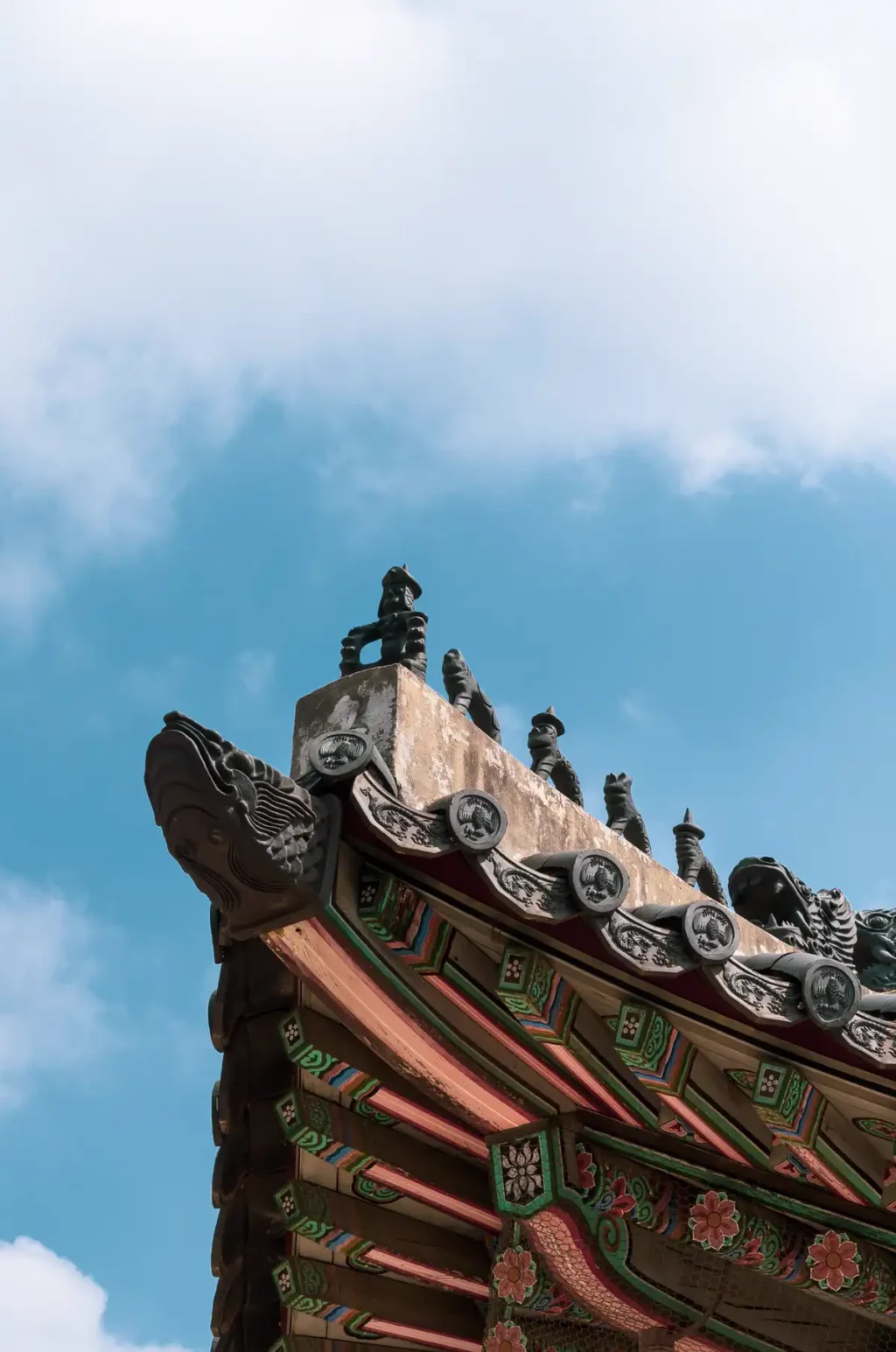
But palaces do not rely on expertise as much as people assume. Of course, background knowledge can deepen the experience. Still, the basic appeal does not depend on studying first. The place itself changes the rhythm around you. Inside the palace grounds, the pace of modern Seoul softens for a while, and the city suddenly feels layered rather than flat.
That immediate shift is part of why palaces work so well for beginners. They are not only for people who want a lesson. They are also for people who simply want to feel a different version of Seoul for an hour or two. In that sense, they are one of the easiest ways to sense historical depth without turning the visit into homework.
They are easy to connect to the next stop
A sightseeing place is never judged only by what happens inside it. What happens after the visit matters too. If a stop leaves you stranded, exhausted, or too far from the rest of your day, even a good attraction can weaken the overall trip. Palaces usually perform well here too.
After a palace visit, it is often easy to move into coffee, lunch, another walk, a nearby neighborhood, or a second attraction. Some palace areas flow naturally into places like Bukchon, Seochon, Insadong, or central shopping and dining routes. That makes the palace visit feel less isolated and more like a useful center point in a broader day plan.
For travelers, this is a serious advantage. A palace can give you a strong cultural stop without ruining the rest of the day’s logistics. That is one reason the experience often feels so balanced.
The photos can carry more meaning than people expect
Travel photos are not all equal. A city street photo may be attractive, but later it can be hard to explain why it mattered or even where it was taken. Palace photos tend to work differently. They often carry an immediately recognizable Korean mood, which makes them easier to talk about and easier to remember.
For people who already know a little about Korea, a palace setting often connects naturally to familiar images such as BTS performance scenes, period dramas, and royal imagery. That gives the photo more context than a generic city background ever could.
Because of that, palace photos are not just attractive. They are explainable. They can lead to easy small talk after the trip, and they help other people immediately understand that the image belongs to a Korean travel experience rather than to just any city day.
They work for solo travelers, couples, and families alike
Some places work beautifully for one type of traveler and poorly for another. A trendy district may feel fun with friends but tiring for parents. A romantic spot may not suit a solo traveler. A deeply local stop may be rewarding but harder to recommend to people who want something more stable.
Palaces are unusually broad in their appeal. Alone, they can feel calm and reflective. As a couple, they can feel natural for walking and photos without too much structure. With family, they are often one of the easier options because different generations can still share the space without needing exactly the same reason for being there.
That kind of flexibility is one reason palaces work for so many first-time visitors. They do not remove all differences in taste, but they are less likely than many other attractions to feel like the wrong choice for the group.
What comes next is a more specific question
By now, the broad appeal of palaces is already clear. They are easy to place inside a Seoul itinerary, relatively low in stress, efficient in cost and effort, flexible in how they can be enjoyed, and strong enough to leave behind a distinctly Korean impression. That combination makes them one of the most reliable choices on a first trip.
But the next question is more specific. Not every palace creates the same mood. Some feel more iconic at first glance. Some feel quieter. Some fit better into a compact city route. The atmosphere can also shift depending on when you go. A palace in daylight and a palace during a night opening can feel like two different experiences.
At that point, the question is no longer whether palaces are worth visiting. It becomes a question of which palace fits you best, and when the visit is most likely to feel memorable.