

Why Choosing the Right Transportation Card Matters in Korea
If you are planning your first trip to South Korea, one of the earliest practical decisions you will make is how to pay for transportation. Korea is famous for its fast, clean, and highly efficient public transit system, but that convenience can feel slightly overwhelming when you arrive without knowing which card to buy. Many travelers hear about T-money, some come across the Seoul Climate Card, and others are told that WOWPASS is the most foreigner-friendly option. At first glance, all of them can sound similar. In reality, they serve different types of travelers, and choosing the wrong one can make your trip less convenient or more expensive than it needs to be.
Image description: A traveler at a subway station in Seoul comparing transportation card options before entering the platform.
This is why understanding the strengths and limitations of each card before landing in Korea can save time, money, and unnecessary stress. Some cards are better for travelers staying only in Seoul, while others are far more practical for people moving between multiple cities. Some are simple and reliable for transit only, while others combine transportation, payment, and exchange-related convenience in one product. The best card is not the one with the most features. It is the one that matches your actual travel pattern.
In this guide, you will find a clear comparison of Korea’s most talked-about transportation cards for travelers: T-money, the Seoul Climate Card, and WOWPASS. Instead of giving you a vague overview, this article breaks down who each card is for, where it works best, what its limitations are, and how to decide which one fits your trip. If you want to avoid confusion at the airport or subway station and start your Korea trip with confidence, this guide will help you make the right call.
1. T-money: The Most Basic and Reliable Transportation Card in Korea
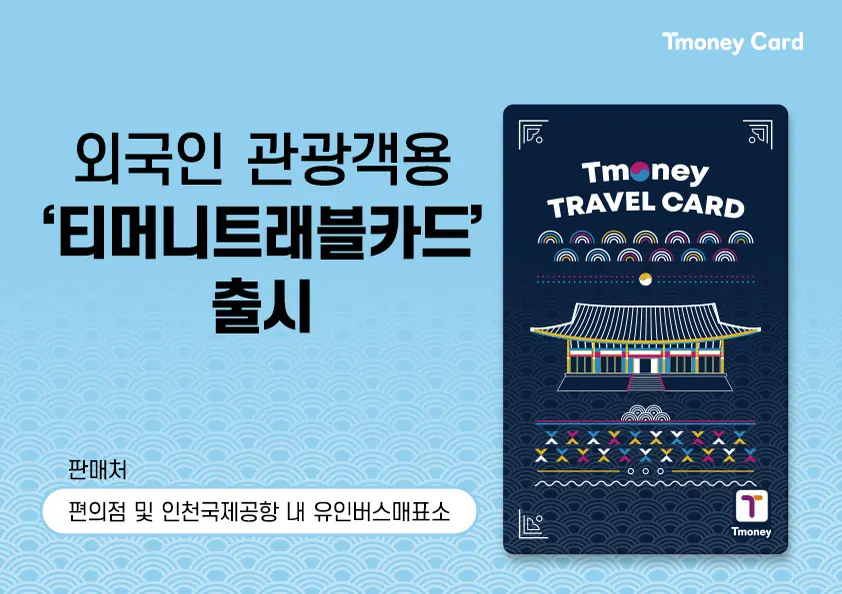
T-money is the classic transportation card in Korea and the one most travelers will encounter first. If you want the safest, most familiar, and most widely accepted choice, T-money remains the standard option. It can be purchased easily at convenience stores, subway stations, and some airport locations. Once you load money onto the card, you can use it for buses, subways, and taxis in many parts of the country. For first-time visitors who want a straightforward system without having to learn too much, T-money is appealing because it does exactly what most people need it to do.
One of the biggest advantages of T-money is its broad usability. It is not limited to a single neighborhood or one short route. If your Korea itinerary includes Seoul, Busan, Incheon, Daegu, or other cities, T-money is generally the most flexible transit companion. This makes it a strong choice for travelers who are not staying in one place or who expect to use buses and subways in several regions. It also works well for travelers who like keeping things simple. You buy it, recharge it, tap in, tap out, and move on with your day.
Image description: A close-up of a hand holding a T-money card near a subway gate scanner in Korea.
However, T-money is also limited in a very clear way: it is mainly a transportation solution. While some versions or affiliated systems may offer broader payment compatibility in certain places, most travelers use it as a transit card first. That means it does not solve everything for people who want one card for transport, shopping, and cashless convenience. If your main concern is getting around Korea smoothly, T-money is excellent. If you want a travel card that also reduces payment friction in stores and restaurants, you may want to compare it carefully against WOWPASS.
T-money is ideal for travelers who plan to move around a lot, keep a moderate budget, and prefer the most proven option. It is also very forgiving for first-time visitors because it does not force you to understand a special pass system or regional limitations right away. For many people, especially on a short trip with city-to-city movement, T-money is still the easiest default answer.
2. Seoul Climate Card: Best for Seoul-Focused Travelers Who Want Predictable Costs
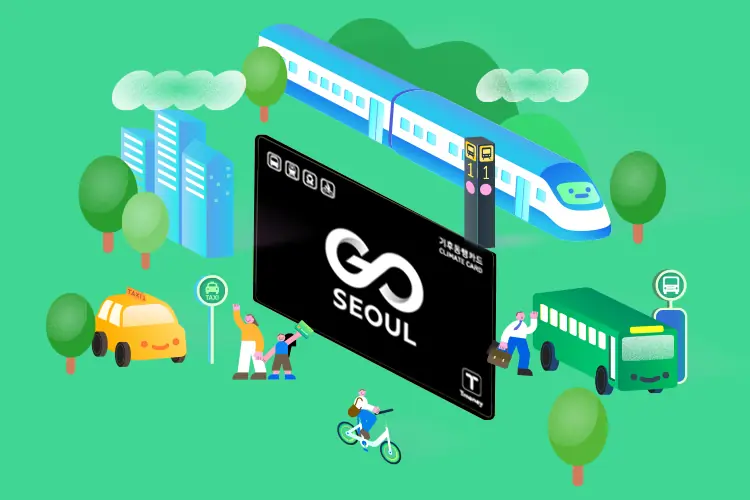
The Seoul Climate Card has attracted attention because it offers a very different kind of value. Unlike a standard stored-value card, this card is designed around unlimited transportation use within the eligible Seoul transit network for a defined period. That concept can be incredibly attractive if your trip is centered heavily around Seoul and you expect to take multiple subway and bus rides every day. When travelers are sightseeing intensively, moving between palaces, shopping districts, cafes, and neighborhoods, transportation costs can add up. In that context, a pass-style option can feel much more efficient than repeatedly charging a regular transit card.
The biggest appeal of the Seoul Climate Card is cost predictability. Instead of thinking about individual fares every time you move around the city, you can focus on your schedule and energy. This is especially helpful for travelers who want to visit several parts of Seoul in one day, from Gyeongbokgung and Bukchon in the morning to Seongsu, Hongdae, or the Han River in the afternoon and evening. It can also be a smart choice for travelers who are staying in Seoul long enough to make repeated local transit use worthwhile.
Image description: A tourist riding the Seoul subway while checking a city map with major neighborhoods marked.
That said, the Seoul Climate Card is not the perfect answer for everyone. Its usefulness drops quickly if your trip extends outside the eligible Seoul-focused transport area or if you are planning day trips that rely on routes not fully covered by the system. Travelers often assume an unlimited transit pass means unlimited movement everywhere, but that is not how Korea works. If your itinerary includes broader Greater Seoul movement, intercity travel, or a flexible schedule with multiple regional transfers, you need to check coverage carefully. A card that looks cheaper on paper can become inconvenient if your actual routes do not match its strengths.
For this reason, the Seoul Climate Card is best for a specific traveler type: someone who is spending several days in Seoul, expects heavy use of city transit, and wants a stable, easy-to-budget transportation setup. It is less suitable for travelers who are moving across the country, visiting multiple regions, or building a Korea trip around flexibility rather than a fixed Seoul base. If your trip is “Seoul first, Seoul most, Seoul almost entirely,” this card deserves serious consideration.
3. WOWPASS: The Most Convenient All-in-One Card for Many Foreign Travelers
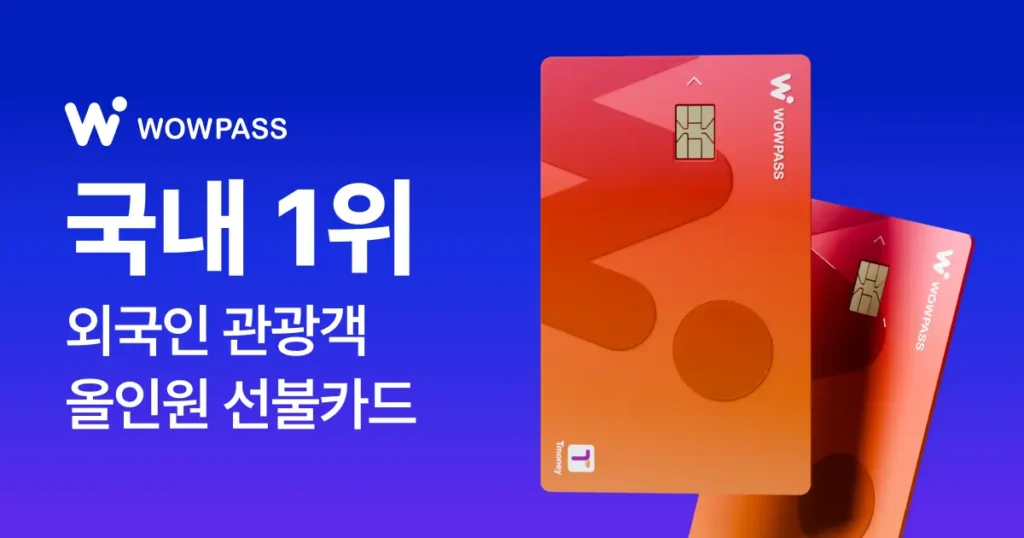
WOWPASS stands out because it is designed with foreign travelers in mind. While T-money is familiar and dependable and the Seoul Climate Card is useful for certain local patterns, WOWPASS tries to solve a broader travel problem. Many visitors do not just need a way to ride the subway. They also want a smoother way to spend money in Korea without constantly thinking about exchange, payment acceptance, or whether they need extra cash for smaller purchases. That is exactly why WOWPASS has become so widely discussed among international travelers.
The main selling point of WOWPASS is convenience. It combines transportation-related functionality with broader payment usability in a way that feels more travel-oriented than a standard transit card. For someone arriving in Korea for the first time, that can be a major relief. Instead of separating transportation from everyday purchases, WOWPASS helps reduce that friction. This can make a real difference when you are buying snacks at a convenience store, paying for small items, or navigating a trip without wanting to carry too much cash.
Image description: A foreign traveler using a WOWPASS card at a convenience store counter in Korea.
Another reason WOWPASS appeals to travelers is psychological simplicity. Travel becomes easier when fewer moving parts are involved. If you are the type of person who wants a single practical tool that covers more than one need, WOWPASS can feel much more modern and comfortable than juggling separate systems. That is particularly true for travelers who are already dealing with language differences, unfamiliar apps, airport fatigue, and short schedules. Anything that reduces daily decision-making can improve the quality of a trip.
Still, WOWPASS is not automatically the best choice for every traveler. Some people do not need an all-in-one system. If your Korea trip is short, you are comfortable using other payment methods, and your main goal is just to ride public transportation easily, T-money may still be the more straightforward choice. Also, if your travel style is extremely budget-focused and centered almost entirely within Seoul’s transit network, the Seoul Climate Card may offer better value depending on your usage pattern. WOWPASS wins on convenience, but convenience is not the same thing as being universally optimal.
For many foreign visitors, however, WOWPASS is the card that makes Korea feel easier from day one. It is especially useful for travelers who want a smoother arrival, less hassle with multiple payment systems, and one of the most practical tools for daily travel life in Korea. If your priority is convenience over minimalism, WOWPASS is often the most attractive option.
4. Which Card Is Best for Your Travel Style?
The most effective way to choose between these cards is not to ask which one is best in general. The better question is: which one is best for your specific trip? Korea is a country where small differences in itinerary can change what makes sense. A traveler staying in central Seoul for five days has very different needs from someone moving between Seoul, Suwon, Busan, and Jeju. A budget traveler who uses public transportation all day may prioritize cost control, while a convenience-focused traveler may care more about reducing friction than saving a small amount on transit.
If your trip is heavily focused on Seoul and you expect to ride buses and subways frequently every day, the Seoul Climate Card may be the strongest value. It works especially well when your daily travel pattern is dense and local. You are not worrying about separate fares as often, and that can make active sightseeing more comfortable. This option fits travelers who like structure and who know that Seoul will be the main stage of the trip.
If your trip includes multiple cities or a more open-ended route, T-money is usually the safest bet. It is less specialized and therefore more flexible. Travelers who want a simple, no-drama transit solution across different parts of Korea often feel more comfortable with T-money because it does not depend on a narrowly defined travel pattern. It is the practical choice for broad mobility.
Image description: A split comparison visual showing Seoul-focused travel on one side and multi-city Korea travel on the other.
If you want transportation plus a more traveler-friendly spending experience, WOWPASS is often the most comfortable option. This is especially true for first-time international visitors who want to reduce the number of systems they need to manage. If you value convenience, smoother everyday payments, and a more integrated travel experience, WOWPASS has a strong argument in its favor.
A simple way to think about it is this: T-money is the safe all-rounder, the Seoul Climate Card is the Seoul specialist, and WOWPASS is the convenience-driven traveler’s choice. Once you see the cards through that lens, the decision becomes much easier.
5. Common Mistakes Travelers Make When Choosing a Korea Transportation Card
One common mistake is choosing a card based only on hype. Travelers often hear that one card is the “best” and assume that recommendation applies universally. In reality, the best card depends on where you are going, how long you are staying, how often you will use transit, and whether payment convenience matters to you. A card praised by another traveler may fit their five-day Seoul shopping trip perfectly and still be the wrong fit for your broader Korea itinerary.
Another mistake is underestimating how often plans change during travel. A highly optimized pass can look brilliant before departure, but if your schedule becomes more flexible or you suddenly add destinations outside its strong coverage area, it may stop feeling convenient. Travelers who prefer freedom often do better with simpler systems. Travelers with a tightly planned Seoul itinerary often benefit more from specialized options.
A third mistake is forgetting the importance of daily convenience. Travel fatigue is real. Even small frustrations can accumulate when you are navigating a foreign country. A card that saves a little money but creates extra decision-making may not always be the better choice. The value of smooth daily movement is often higher than travelers expect, especially during the first few days of a trip.
Image description: A traveler at a station looking confused while comparing maps, routes, and transit card information.
The final mistake is thinking transportation is only about transit. In Korea, how you pay, how quickly you move, and how easily you adapt to local routines all shape your overall experience. That is why transportation cards matter more than they seem at first. A well-chosen card does not just help you get from one station to another. It helps your whole trip feel more organized and less stressful.
6. Final Recommendation: What Most Foreign Travelers Should Do
If you want the safest and most universally practical answer, choose T-money. It is easy to understand, widely usable, and suitable for travelers moving around different parts of Korea. If you are staying mostly in Seoul and plan to ride public transportation heavily every day, the Seoul Climate Card may offer the best value for that specific trip style. If you want the smoothest all-in-one experience and care about both transportation and broader traveler convenience, WOWPASS is likely the most appealing option.
For many first-time foreign travelers, the real answer comes down to this: if you value simplicity and broad transit usability, go with T-money. If you value Seoul-specific unlimited transit logic, choose the Seoul Climate Card. If you value convenience across transport and daily spending, pick WOWPASS. None of these cards is pointless. They simply solve different travel problems.
Whichever card you choose, one local tip matters more than people expect: always build the habit of tapping properly when using public transportation. That small routine can make fares and transfers work more smoothly and help avoid unnecessary confusion during the trip. Once you get used to the system, Korea becomes one of the easiest countries to travel around by public transit.
Image description: A happy traveler exiting a Korean subway station with luggage after successfully using a transportation card.
If your goal is to enjoy Korea instead of overthinking every ride, choose the card that matches your actual behavior, not just the one that sounds the most impressive. That is the smartest way to start your trip.
FAQ: Korea Transportation Cards for Travelers
Q: Which transportation card should I get for my Korea trip?
A: That really depends on how you plan to travel. If you want the simplest and most reliable option, T-money is usually the easiest choice. If you are staying mostly in Seoul and expect to take the subway or bus many times a day, the Seoul Climate Card may save you more money. If you want one card that also feels more convenient for everyday spending, WOWPASS is often the better fit.
Q: Is T-money good enough for most tourists?
A: Yes, for many travelers, T-money is more than enough. It is easy to buy, easy to top up, and simple to use on public transportation. If your main concern is getting around Korea without stress, T-money is a very safe option. Still, some travelers prefer WOWPASS because it can feel more convenient during the trip overall.
Q: Is the Seoul Climate Card worth it for visitors?
A: It can be worth it if most of your trip is focused on Seoul. Travelers who spend several days moving around the city a lot often find it useful because they do not have to think about each individual ride. On the other hand, if you plan to travel outside Seoul, it may not be the most practical choice.
Q: What makes WOWPASS different from T-money?
A: The biggest difference is convenience. T-money is mainly known as a transportation card, while WOWPASS is designed more as an all-in-one travel tool for foreign visitors. If you only want something simple for buses and subways, T-money works well. If you want transportation plus smoother everyday spending, WOWPASS may feel easier.
Q: Can I use T-money outside Seoul?
A: Yes, that is one of the reasons many travelers still choose it. T-money is generally the most flexible option for people moving between different cities or using public transportation in more than one area. If your Korea trip is not limited to Seoul, T-money is often the safer choice.
Q: What is the easiest card for first-time visitors to Korea?
A: For most first-time visitors, T-money is the easiest card to understand and use right away. It is simple, familiar, and works well for basic transportation needs. But if you want a card that feels more travel-friendly from the start, WOWPASS is also a strong option.
Q: Do I need more than one card during my trip?
A: Not always. Many travelers use just one card for the whole trip. But depending on your travel style, some people prefer a transportation-focused card like T-money, while others want something broader like WOWPASS. The best choice comes down to whether you care more about flexibility, budgeting, or convenience.
Q: Which card is best if I am only staying in Seoul?
A: If your trip is almost entirely in Seoul, the Seoul Climate Card may be the most useful option, especially if you plan to use public transportation often every day. But if you want more flexibility or prefer something simpler, T-money is still a very solid choice.