
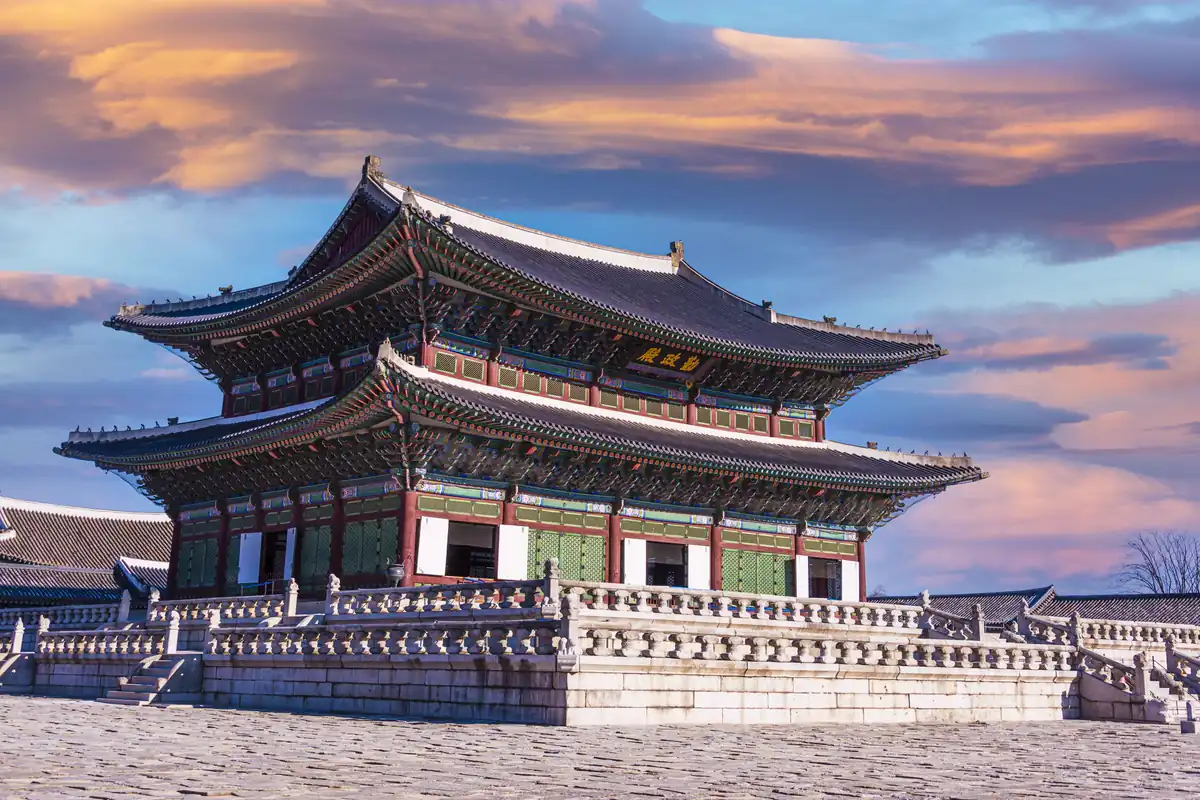
A Korean palace usually means more than it first seems
For many first-time visitors, Korean palaces can feel a little vague at first. The names come up often, the photos look beautiful, and it is easy to understand that these places matter. What is less obvious in the beginning is what you are really looking at, and why so many people in Korea still treat palaces as more than just another traditional stop in Seoul.
One useful way to think about them is this. A Korean palace was not only where the king lived. It was also where court life, state ceremony, and royal authority were centered. So even before you get into the details, a palace tends to feel different from an ordinary historic site. It usually carries the sense that something important once gathered there.
That is often where the visit starts to open up. What looks like architecture at first can begin to feel more like a visible piece of how Korea once organized power, ceremony, and public life.
Why Joseon can still feel close in Korea
Part of what makes palaces matter in Korea is that Joseon does not always feel like a completely sealed-off old kingdom. It lasted for roughly five hundred years, and that long stretch of time left a cultural mark that still feels familiar in different ways. Modern South Korea is not Joseon, of course, but many Koreans still tend to feel that important parts of Korean cultural memory continued through that period.
This is not only about politics or formal history. It is often felt more through culture. Ways of speaking, ways of showing respect, family order, visual restraint, ceremony, and certain ideas of beauty can all seem to echo that older world, even after being softened or modernized. You do not need to reduce modern Korea to Joseon to notice that the connection can still feel alive.
That is why a palace can feel less like a relic from a dead civilization and more like a place where some of the older roots of Korean culture remain easier to see. For many Koreans, that is part of the emotional weight these places still carry.
Why palaces can be such a good entry point for foreign travelers
For travelers, this can matter more than it first sounds. Modern Korea is often so fast, polished, and urban that it can be hard to tell where the deeper cultural layers begin. Seoul can impress people immediately, but it can also make Korea feel like a very advanced contemporary city before it feels culturally legible.
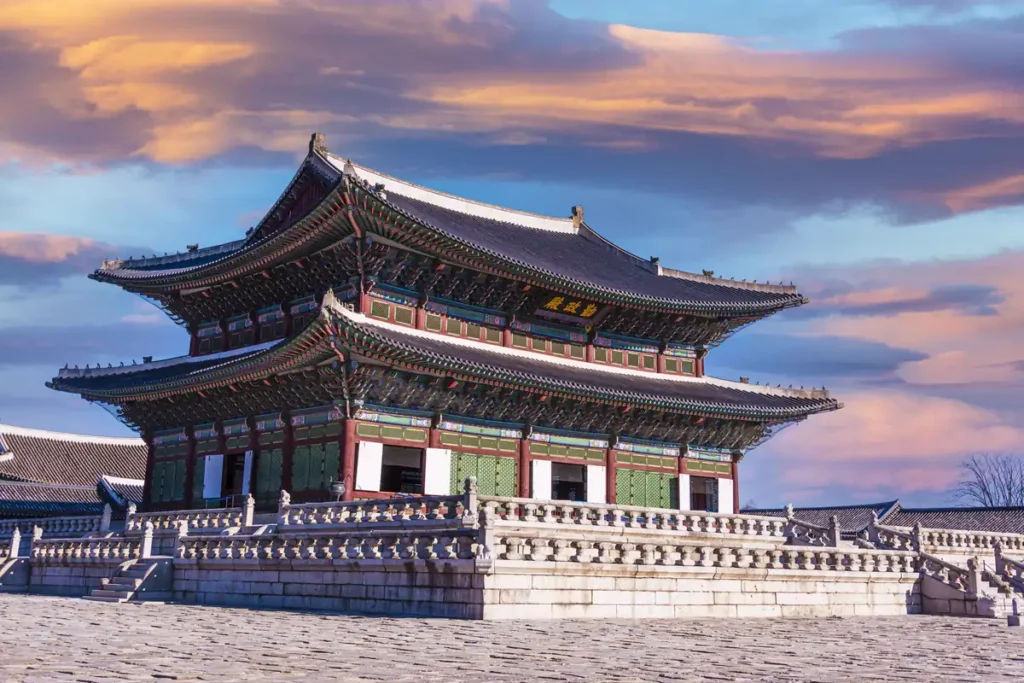
A palace can help with that. Not because it explains everything, but because it changes the rhythm. Inside the grounds, the mood usually shifts. The city can feel less commercial, less hurried, and less flat. Walls, courtyards, rooflines, gates, and open sky start doing some of the work that a long explanation would otherwise need to do.
That is part of why palaces can work so well for first-time visitors. They often let travelers feel that there is another layer under modern Korea without asking them to become experts first. You do not need to know every name or every date to notice that the atmosphere is doing something different.
Sometimes a palace helps modern Korea make more sense
If you spend enough time in Seoul, one interesting thing can happen. The city can feel so modern that its older identity is easy to miss at first. The speed, the brands, the traffic, the towers, and the constant movement can make Korea feel globally current before it feels historically rooted.
That is where palaces can quietly change the experience. They do not cancel out modern Korea. They just make it easier to feel that modern Korea came from somewhere. For some visitors, that is the moment when the trip starts to feel more grounded. Korea stops feeling like a place that is only fast and impressive, and starts feeling like a place with an older internal logic still visible underneath.
That is one reason people often remember palace visits more strongly than they expected. The visit may begin as a sightseeing stop, but it can end up feeling like one of the first places where the country becomes easier to read.
Hanbok can make the experience feel more personal
For some travelers, hanbok can make that feeling easier to step into. On the surface, it may look like a photo choice. And of course, it does help visually. But that is not the whole reason it stays with people.
Modern cities often keep travelers slightly outside the place they are visiting. You move through the city, look at it, take pictures of it, and keep going. A palace already softens that distance a little. Hanbok can soften it more. Instead of only looking at the setting, you begin to feel visually connected to it. The experience can become less about observing and more about entering the mood of the space for a while.
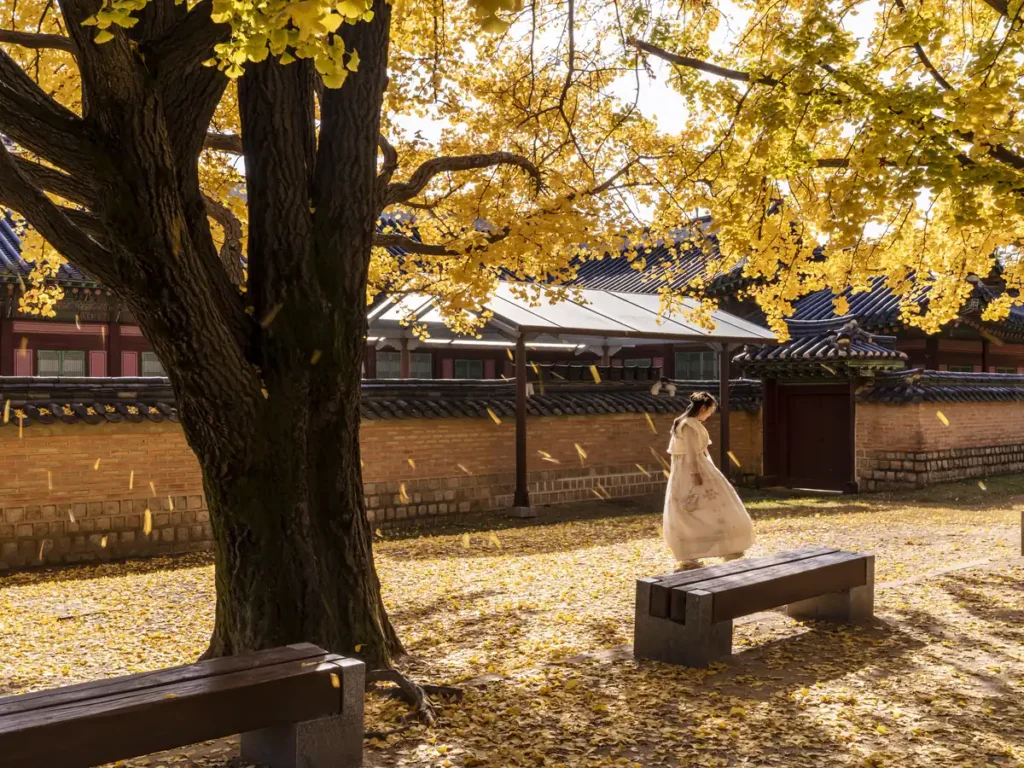
Another thing that makes hanbok interesting is that it is not just one image. There is no single fixed version of what wearing it is supposed to mean. Depending on the style, color, and feeling of the outfit, people often start imagining different versions of themselves inside that palace world. Some lean toward a royal image, some toward a court official, some toward a guard, and some toward a more dramatic military figure. That flexibility is part of the appeal.
So hanbok can become more than traditional clothing for a photo. In the right setting, it can feel a little like trying on a place inside Korea’s older visual world. For travelers who want something more immersive than just standing in front of a historic backdrop, that can make a real difference.
Why this can hit harder for people who already know Korean culture
For some visitors, the reaction is even stronger because they are not coming in completely cold. People who have already watched Korean historical dramas or followed the visual side of Korean culture often arrive with a set of associations already in their heads.
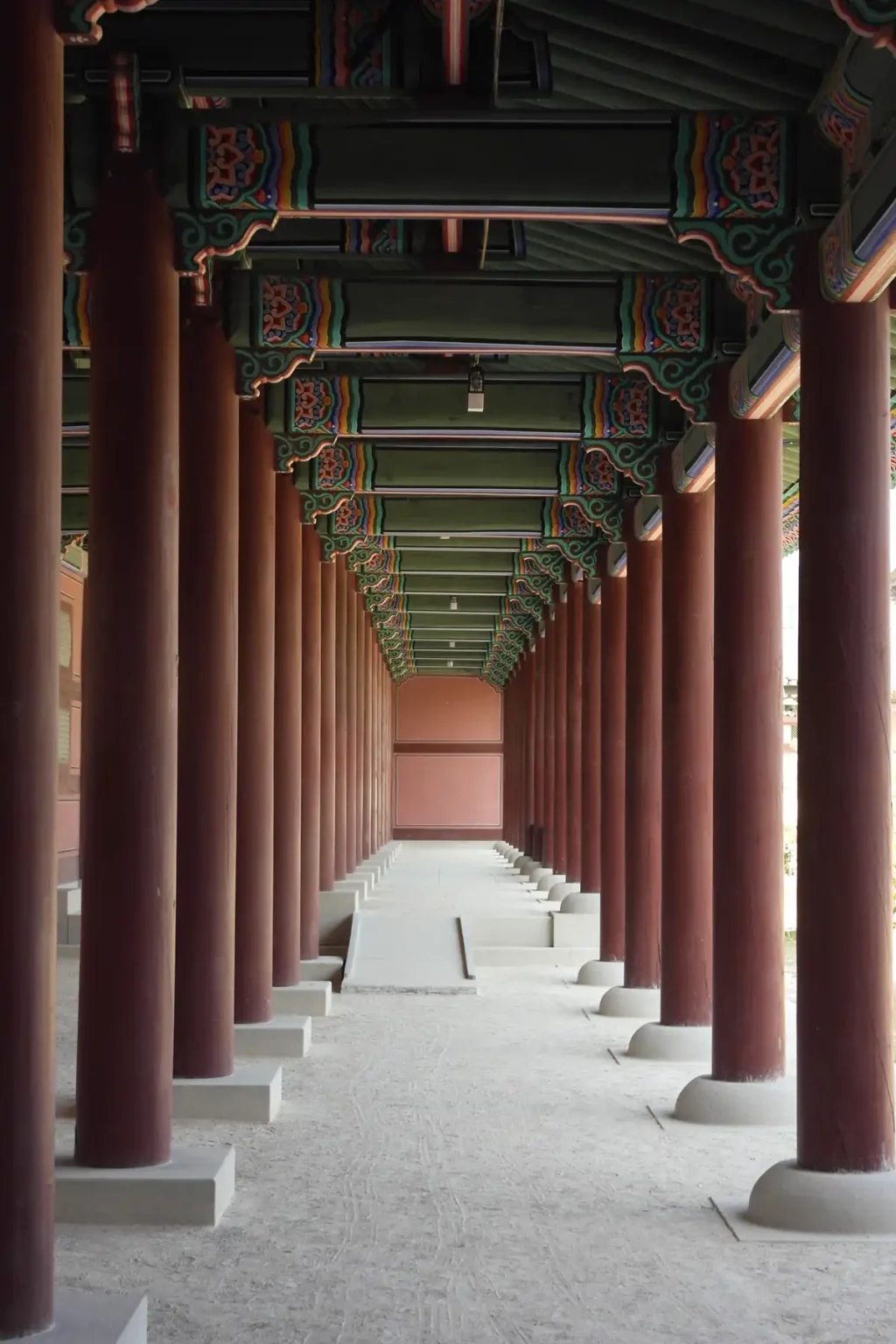
That changes the visit. A palace no longer feels like a beautiful but unfamiliar place. It can feel like a place you had already seen from a distance and are only now stepping into properly. For some people, that shift can be surprisingly moving. What used to belong to screens, scenes, or visual references starts to feel spatial and real.
That is also why palace photos can carry more meaning than ordinary city photos. They are easier to talk about afterwards. They connect more naturally to things people already recognize. And if hanbok becomes part of the visit, the sense of participation can feel even stronger.
You do not need expert knowledge for a palace visit to work
One useful thing to know in advance is that a palace visit usually does not depend on expertise as much as people fear. Of course, background knowledge helps. If you already understand royal history, architecture, or the symbolism of the space, you will notice more. But for most travelers, that is not the real barrier.
What makes palaces work so well is that they often begin to communicate before you understand every detail. The scale, order, quiet, and openness tell you quickly that this was once a place of consequence. In that sense, a palace can be one of the easier ways into Korean history because it does not require a perfect intellectual entry point before the place starts to feel meaningful.
That matters for beginners. A palace can give you cultural depth without making the day feel like homework. And in a city full of things competing for attention, that can be a bigger advantage than people expect.
Why many travelers end up glad they included at least one palace
Palaces are not meaningful only because they are old or famous. They tend to matter because they help several parts of Korea come into view at the same time. They show where royal and state life once gathered. They point back to a five-hundred-year period that still feels culturally important to many Koreans. They give travelers one of the easier ways to sense the roots behind modern Korea. And with hanbok, they can even let visitors feel, for a little while, less like observers and more like participants inside that visual world.
This is usually the point where a palace stops feeling like a nice old landmark and starts feeling more like a key to reading Korea a little better. It may still be a sightseeing stop, but for many travelers it ends up feeling like more than that.
Once that clicks, the next question becomes much more practical. If palaces really are worth understanding, which one should you choose first, and what kind of palace experience would actually fit your trip best?